
Work-life balance has become one of the most talked-about topics in today’s professional world. Across industries, employees are increasingly questioning whether long working hours, constant availability, and weekend emails should be considered normal. As burnout becomes a growing concern globally, stories about healthier workplace cultures often attract widespread attention online. That is exactly what happened when a Colombian woman living in New Zealand shared her experience of working in the country.
Her observations about New Zealand’s approach to professional life quickly resonated with thousands of people online, many of whom were surprised by how differently work and personal life are balanced there. The viral video has now sparked discussions about workplace expectations, employee well-being, and whether productivity truly requires sacrificing personal time. For many viewers, her story offered a refreshing perspective on what a healthy relationship with work can look like.
A New Perspective After Moving To New Zealand
View this post on Instagram
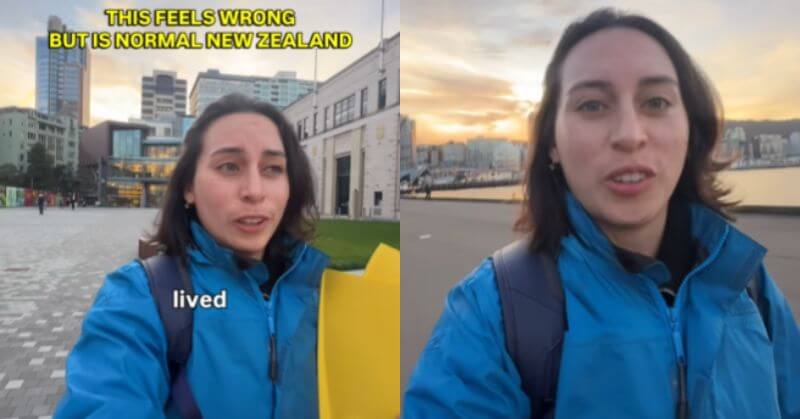
The woman at the centre of the viral discussion is Dani Castillo, a Colombian national who has been living in New Zealand for the past three years. Through an Instagram video, Castillo reflected on one aspect of life in New Zealand that continues to surprise her even after years of living there.
According to Castillo, she did not fully understand the difference in work culture until she actually moved to the country and began working there herself. Like many people relocating abroad, she expected some cultural differences. However, the contrast she experienced in workplace attitudes was much greater than she had anticipated. Her observations quickly gained traction because they touched on something many professionals around the world struggle with every day — finding a balance between work responsibilities and personal life.
A Workday That Actually Ends
One of the biggest differences Castillo highlighted was what happens after employees finish their workday. According to her, people in New Zealand generally stop working once official working hours are over. Rather than staying online, responding to emails late into the evening, or taking work home, many employees simply move on with the rest of their lives.
They spend time with family members, meet friends, enjoy hobbies, exercise, or focus on personal interests. For Castillo, this was initially surprising because it contrasted sharply with experiences she had encountered elsewhere. She explained that the culture places significant value on life outside the workplace. Instead of measuring dedication through overtime hours, there appears to be a stronger focus on maintaining boundaries between professional and personal time.
Less Pressure To Prove Yourself
Another aspect of New Zealand’s workplace culture that stood out to Castillo was the reduced pressure to constantly demonstrate commitment through long hours. In many workplaces around the world, employees often feel that staying late or appearing busy helps create a positive impression. However, according to Castillo, that expectation is far less common in New Zealand.
She noted that there is little pressure to impress colleagues or managers by working beyond required hours. The emphasis instead seems to be on completing responsibilities effectively during working hours. This approach creates a workplace environment where productivity matters more than simply spending extra time at the office. Many online viewers found this particularly interesting because it challenges the common belief that longer hours automatically lead to better performance.
The Importance Of Weekends
One point from Castillo’s video especially resonated with professionals online. She explained that after completing her 40-hour work week, she closes her laptop and enjoys the fact that she will not be disturbed over the weekend. For many employees around the world, weekends are increasingly interrupted by work messages, calls, emails, and urgent requests.
Castillo suggested that this is generally less common in New Zealand. The expectation is that personal time should remain personal. This allows employees to genuinely rest, recharge, and return to work refreshed rather than constantly remaining connected. The idea of having uninterrupted weekends struck a chord with many social media users who admitted that switching off completely from work often feels impossible.
“Work Fits Around Life”
Castillo’s reflections extended beyond working hours and touched on a broader philosophy toward life. According to her, New Zealand’s culture creates a feeling that work fits around life rather than life revolving around work. That distinction became one of the most widely discussed parts of her video.
Many professionals today feel that careers often dominate their schedules, priorities, and mental space. Castillo argued that the culture she has experienced in New Zealand takes a different approach. Work remains important, but it is viewed as one component of life rather than its defining feature. For her, that balance has become one of the most rewarding aspects of living in the country.
People Still Get Their Work Done
One common misconception about shorter working hours is that productivity might suffer. Castillo addressed this point directly. According to her, despite the emphasis on personal time and healthy boundaries, people still complete their work effectively. She noted that employees generally remain productive and responsible during working hours.
The difference is that work is completed within those designated hours rather than extending endlessly into evenings and weekends. This observation mirrors a growing global conversation about whether efficiency matters more than simply increasing the number of hours worked.
Many studies over the years have suggested that well-rested employees often perform better than those experiencing chronic burnout. That is why Castillo’s comments resonated far beyond New Zealand itself.
Social Media Users Relate To Her Experience
The video quickly attracted attention online as users shared their own experiences and opinions about workplace culture. Many people expressed admiration for New Zealand’s approach to work-life balance.
Others compared it with corporate cultures in their own countries, where overtime and after-hours communication are often considered normal. Several viewers said the video made them rethink what they expect from their own professional lives.
For some, it served as a reminder that career success does not necessarily require sacrificing personal happiness. The discussion also highlighted how workplace expectations vary significantly across different countries and cultures.
Why Work-Life Balance Matters More Than Ever
The popularity of Castillo’s video comes at a time when conversations about employee well-being are becoming increasingly important. Remote work, hybrid schedules, and digital communication tools have blurred the boundaries between professional and personal life for many people. As a result, maintaining healthy limits has become more challenging than ever.
Stories like Castillo’s offer an alternative perspective. They demonstrate that it is possible to build productive workplaces while still respecting employees’ personal lives. The growing interest in such examples suggests that many professionals are actively searching for healthier ways to approach work.
Conclusion
Dani Castillo’s viral video has sparked a meaningful conversation about work-life balance and workplace culture. Her experience living and working in New Zealand highlights a professional environment where personal time is valued, boundaries are respected, and productivity is not measured solely by long hours. For many viewers, her story served as a reminder that success and well-being do not have to compete with each other.
As debates around burnout and employee satisfaction continue worldwide, New Zealand’s approach offers an example of how work can remain important without becoming the centre of everything. And judging by the response online, it is a perspective that many people find both inspiring and refreshing.
Follow Us: Facebook | Instagram | X |
Youtube | Pinterest | Google News |
Entertales is on YouTube; click here to subscribe for the latest videos and updates.