

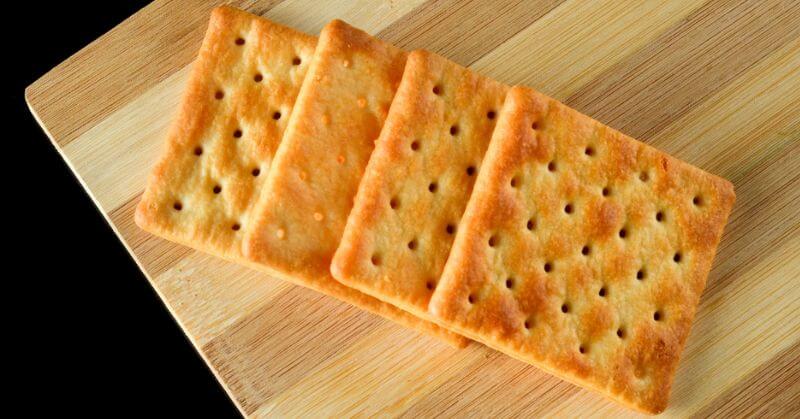
Have you ever paused mid-bite and wondered why biscuits have those tiny holes on top? They look simple. Almost decorative. But they are anything but random. Those small punctures play a huge role in how your biscuit looks, tastes, and crunches. From preventing bubbles to ensuring even baking, there is real food science behind them. And once you know the reason, you will never look at a biscuit the same way again.
One of the most popular and extensively consumed foods worldwide is biscuits. They are easy to include in our everyday routines, from leisurely tea breaks to short snacks during hectic hours, because they are straightforward, reasonably priced, and cozy. Biscuits are one of the most universal dishes, regardless of age, culture, or location. They can be sweet or savory, crispy or soft.
Butter biscuits, chocolate cookies, digestive biscuits, and even healthier versions made from whole grains, millet,s and oats with less sugar are just a few of the wide varieties of biscuits available today. Few of us are aware that a surprising amount of research goes into creating the ideal biscuit, even if we enjoy them mindlessly.
Why Are There Tiny Holes In Biscuits?
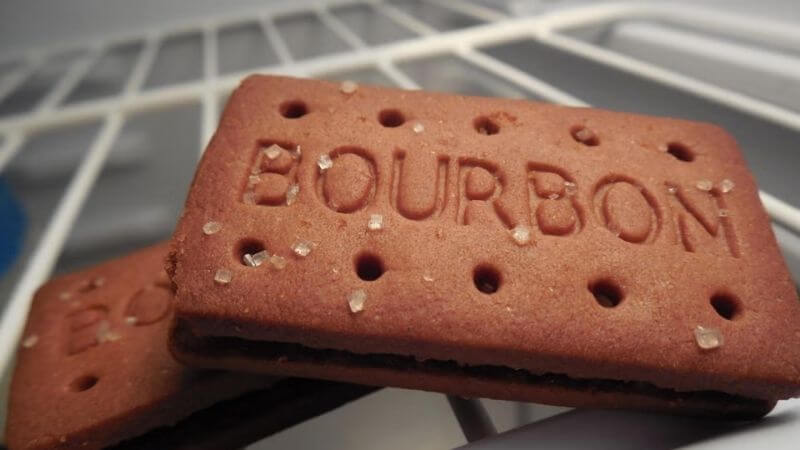
The tiny holes on the surface of many biscuits are one of their most obvious characteristics. These holes have a crucial function during baking; they are not cosmetic. Before baking, the little holes you see on biscuits are meticulously added. They are essential to the baking process and are referred to as docking holes.
What Takes Place In The Oven With Biscuit Dough?
A basic dough consisting of flour, sugar, oil, water, and leavening agents is used to make biscuits. The actual metamorphosis starts when the dough is placed in a hot oven. The confined air begins to expand owing to heat and the moisture inside transforms into steam.
The biscuit may lose its flat shape, develop bubbles, fracture, or puff out unevenly if this pressure isn’t released. Its texture and look may suffer as a result.
How Are Docking Holes Beneficial?

During baking, docking holes facilitate the seamless exit of steam and air. The holes help biscuits bake uniformly and keep their desired shape by relieving this strain. For plain, salted and cream biscuits in particular, this method guarantees that the biscuits will be firm, crisp and cooked through.
Why Does Biscuit Texture Depend On Docking?
Biscuits may become uneven, blistered, or excessively soft in some places if they don’t have docking holes. Customers expect biscuits to have a constant texture and a familiar crunch because the holes help limit expansion.
How Can Mass Production Be Supported By Docking Holes?
Consistency is essential when producing biscuits on a wide scale. Even at high baking temperatures, docking holes aid in maintaining consistent thickness, color, and shape. This explains why, regardless of where or when they are made, biscuits in a packet always have the same appearance and crunch.
Are Docking Holes Necessary For All Biscuits?
Not every biscuit needs to be docked. Different baking methods are used for soft, chewy or cake-style biscuits where steam release is less important. Depending on the recipe, some sweet biscuits could include holes, although many use different techniques to get the right texture.
Why Has Docking Been Used By Bakers For So Long?

For generations, baked foods have been docked to enhance their texture, appearance and shelf life. What appears to be a minor design element is actually the outcome of years of food science and baking experience.
Not simply crumbs are being caught by those small openings. They work silently to guarantee that every bite of your biscuit is flawlessly baked, uniformly formed, and delightfully crispy.
Sometimes, the smallest details make the biggest difference. Those tiny holes on your biscuit are not just part of the design. They are the result of careful baking science and decades of refinement.
So the next time you dip a biscuit in your tea or grab one as a quick snack, remember — behind that perfect crunch lies a simple yet brilliant technique working quietly in the background.
Follow Us: Facebook | Instagram | X |
Youtube | Pinterest | Google News |
Entertales is on YouTube; click here to subscribe for the latest videos.