
The words we choose at work can often leave a lasting impression. A simple response to a colleague’s “thank you” may seem insignificant, but according to one professional, it can shape how others perceive your time, effort, and willingness to help. A recent video shared on social media has sparked a conversation about workplace communication, with many people rethinking one of the most commonly used phrases in professional settings.
The discussion began after an Instagram creator suggested that employees should stop replying with “no problem” when someone thanks them. Instead, he believes people should choose expressions that acknowledge both their contribution and the appreciation being shown. His advice has since gone viral, prompting many professionals to reflect on how small changes in language can influence workplace relationships.
Why ‘No Problem’ May Not Be The Best Response
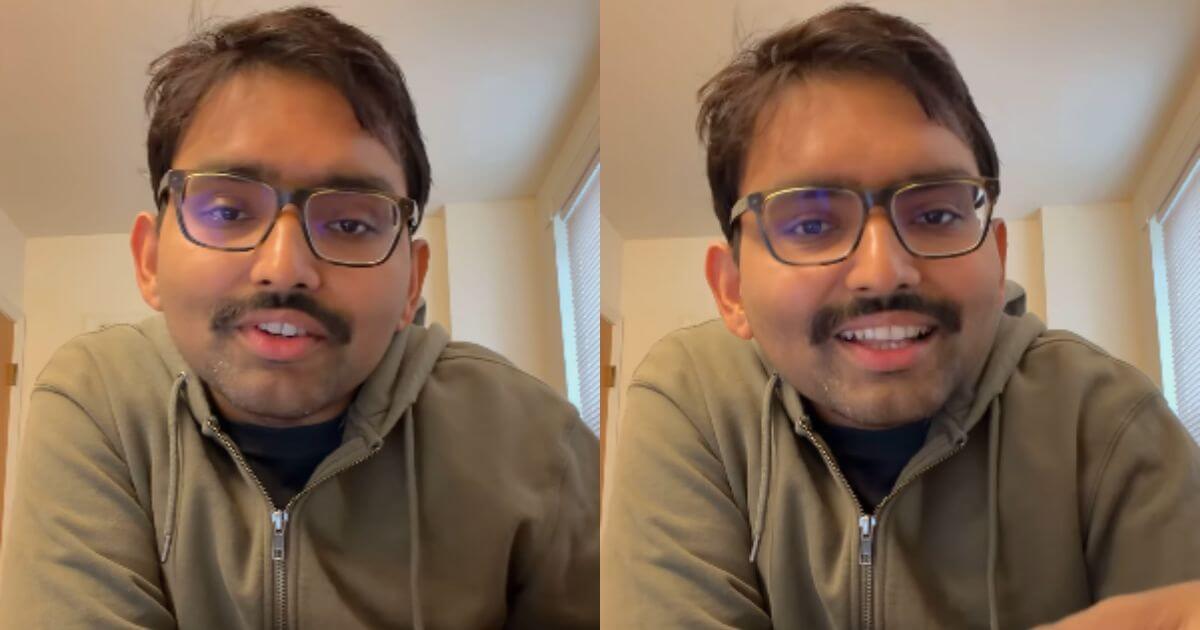
The video was shared on Instagram by Ritesh Giri, who argued that although “no problem” is widely considered polite, it may unintentionally reduce the value of the help someone has provided. According to Giri, many workplace situations involve genuine effort, whether it’s solving a colleague’s problem, covering a shift, or spending extra time assisting someone. When a person responds with “no problem,” it can give the impression that their contribution required little or no effort. He believes that this unintentionally downplays the value of the work that was actually done.
‘It Was Not Nothing’
Explaining his perspective, Giri said,
“Stop saying ‘no problem’ when someone thanks you at the workplace. Perhaps a colleague thanked you because you helped them resolve an issue or covered their shift, and you simply replied, ‘no problem.’ But it was not nothing. You showed up, put in the effort and helped them.”
According to him, acknowledging the effort behind an act of kindness does not make someone less helpful. Instead, it reinforces that meaningful support often involves time, energy, and commitment. He also suggested that repeatedly dismissing one’s own effort could influence how colleagues view future requests for assistance.
Better Alternatives To Use At Work
Rather than saying “no problem,” Giri recommends using responses that express appreciation while also recognising the effort involved. He suggested phrases such as “happy to help” and “my pleasure.” Sharing his reasoning, he said,
“Instead, try saying, ‘happy to help’ or ‘my pleasure’. These phrases convey warmth and sincerity, showing that you genuinely wanted to help without dismissing the time and effort involved.”
According to him, these responses strike a better balance. They communicate kindness without making it appear that helping someone required no investment of time or energy.
A Small Change That Can Influence Workplace Culture
Giri believes the choice of words may seem minor, but it can have a larger impact on workplace communication over time. He explained that language influences expectations. If employees repeatedly suggest that helping others is effortless, colleagues may gradually assume that such support is always available without considering the person’s workload or responsibilities. He said,
“It may seem like a small change, but it can have a significant impact. People who constantly say ‘no problem’ may unintentionally create the impression that others can keep asking them for help because it requires little effort.”
His argument focuses less on discouraging teamwork and more on encouraging healthy professional boundaries.
‘Help Them, But Make Your Effort Count’
Giri clarified that he was not advising people to become less supportive of their colleagues. Instead, he encouraged professionals to continue helping whenever possible while recognising the value of their own contributions. He concluded,
“I am not saying that you should stop helping people. Help them, but make your effort count.”
The statement resonated with many viewers, who felt it highlighted an aspect of workplace communication that often goes unnoticed.
Social Media Users Join The Conversation
The video quickly attracted attention online, with many users agreeing that the language people use at work can subtly influence professional relationships. Several viewers admitted they had never considered the difference before watching the clip. The discussion also encouraged many people to share their own preferred responses when receiving thanks from colleagues.
Some said they already use phrases like “glad I could help” or “you’re welcome,” while others felt that “no problem” remains perfectly acceptable depending on the situation. The conversation ultimately reflected how communication styles continue to evolve in modern workplaces.
Why Small Workplace Habits Matter
Professional communication is about more than simply exchanging information. The words employees choose can influence trust, teamwork, and perceptions of professionalism. While there is no universally correct response to gratitude, many workplace experts agree that expressing appreciation sincerely helps strengthen professional relationships. Whether someone chooses “my pleasure,” “happy to help,” or another thoughtful response, the key is ensuring that the interaction feels genuine. The viral discussion serves as a reminder that even everyday phrases can shape workplace culture in subtle ways.
Conclusion
Ritesh Giri’s viral video has opened an interesting debate about one of the most common expressions used in professional environments. His argument is simple: helping someone often requires time and effort, so responses should acknowledge that contribution instead of unintentionally minimising it.
While opinions remain divided over whether “no problem” should be replaced, the discussion has encouraged many professionals to think more carefully about the language they use at work. Sometimes, a small change in wording can leave a stronger impression than we realise.
Disclaimer: Entertales has not independently verified the claims or opinions shared in this report and does not endorse them. This article is based on user-generated content and discussions shared on social media.
Follow Us: Facebook | Instagram | X |
Youtube | Pinterest | Google News |
Entertales is on YouTube; click here to subscribe for the latest videos and updates.