

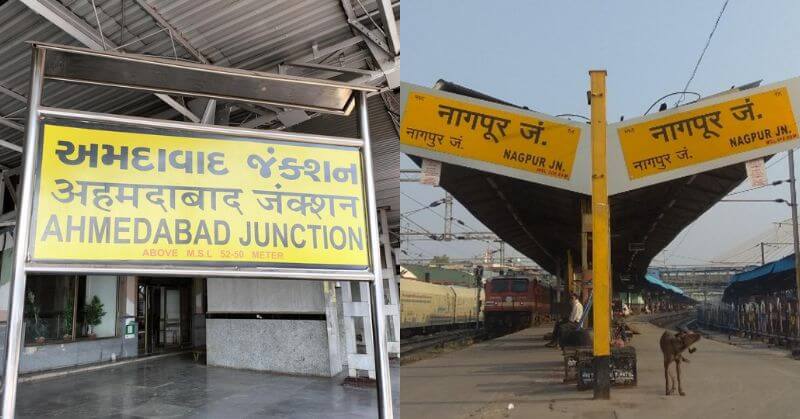
If you have travelled across India even a little, you must have noticed a pattern in the names of the cities. From Hyderabad to Ahmedabad, Nagpur to Jabalpur, the same endings keep appearing. “Pur.” “Abad.” They sound familiar, almost routine. But these aren’t random choices. Each suffix carries centuries of history, shaped by rulers, languages, culture, and geography. Hidden inside these names are stories of power, settlement, and survival that still echo today.
Every pur and abad has a story to tell about its founders, rulers, and linguistic blending that left its stamp on India’s map. There were also interesting responses to the conversation on social media. According to one user, cities with the suffix “pur” were older than those with the suffix “abad.” Another made a joke about calling new cities “pur” or “baad,” such as “Noidapur.” Despite the humor, these prefixes draw attention to a crucial component of city names’ historical continuity.
Even if contemporary Indian towns like Noida, Gurgaon, and Chandigarh are forging new identities, the continuing heritage of “pur” and “abad” is a reminder of India’s past.
The Story Behind ‘Pur’
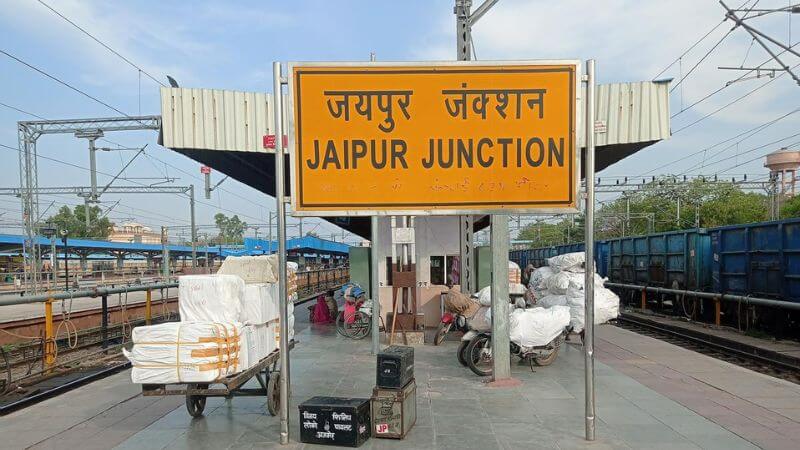
The deeper connection to India’s history, culture, and language is shown by the reality behind these suffixes. The word “pur” comes from a Sanskrit word that means “town” or “city.” In ancient India, it was frequently used to name settlements.
This suffix indicates that cities like Jaipur, Udaipur, and Jodhpur were founded by kings and maharajas. Furthermore, “pur” can also mean “fort,” and communities established prior to the construction of a fort frequently had “pur” added to their names in honor of the monarch. For instance, Jaipur bears Maharaja Jai Singh’s name, with “pur” signifying the city he established. Maharana Udai Singh established Udaipur, and Jodhpur was formed by Rao Jodha.
Linguists claim that the word “pur” has been used since the Vedic era, as evidenced by allusions to forts or towns in the Rigveda. As evidenced by Tirupur and Varanasi (Kashipur), this term was also widely used in Central and South India.
The Story Of ‘Abad’

Let’s now fast-forward to an entirely different period in Indian history. The Persian language, culture, and custom of city naming were introduced by new kings who came centuries after the early kingdoms. They coined the moniker “abad,” which immediately brought prosperity and vitality to a location.
It’s interesting to note that the word “abad” originates from the Persian word “Aab,” which means water. What is the one resource that every prosperous settlement in a warm country like India has always relied on? Water.
Over time, “abad” grew to refer to a crowded area, a thriving settlement, or just a suitable place to live. Cities that ended in “abad” typically had enough water to sustain trade, cultivation, and human habitation.
This naming custom was particularly cherished by the Mughal emperors. This optimistic, prosperous-sounding suffix was added to the names of many of their cities, which were named for emperors, founders, or individuals they respected.
- Sultan Ahmed Shah established Ahmedabad.
- The Mughal ruler Firoz Shah is the source of the name Firozabad.
- Muhammad Quli Qutb Shah’s title, Sultan Hyder, inspired the name Hyderabad.
Every “abad” city tells a tale of culture, power, and a period when the location of civilizations was decided by water.
The ‘Ganj’ Story
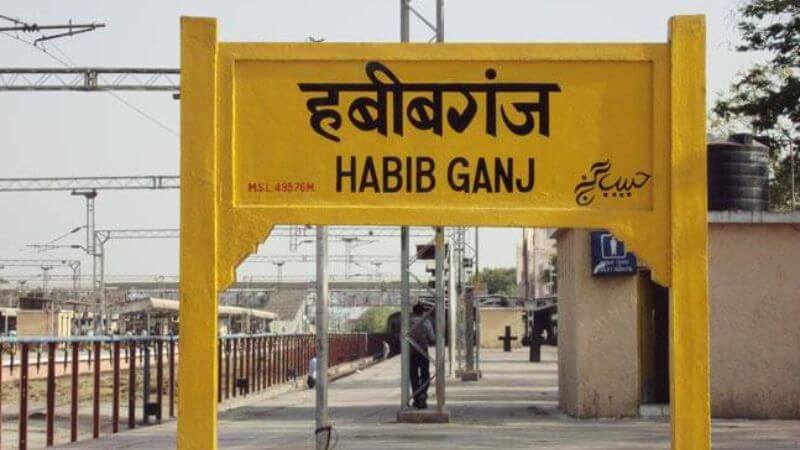
As we continue our investigation, let’s decipher another often occurring suffix that you have undoubtedly encountered: “ganj.”
Imagine antique marketplaces: the clamor of merchants, the throng of customers, the scent of goods and spices. The word “ganj” encapsulates this vibrant vitality. It was initially used to refer to a storeroom or a treasure house in ancient languages. Its connotation changed throughout time to symbolize a bustling trading district or marketplace.
In Delhi, Daryaganj was a marketplace close to a river, with “darya” meaning river. The main and oldest market in Lucknow is called Hazratganj. Thus, “ganj” is all about trade, cacophony, and the lively existence of a traditional market.
City names are more than just labels on a map. They are living reminders of who ruled, who settled, and what mattered at different points in time. “Pur,” “abad,” and “ganj” quietly preserve stories of forts, water, trade, and power. Even as India builds new cities and modern identities, these old suffixes continue to whisper history to anyone curious enough to listen.
Follow Us: Facebook | Instagram | X |
Youtube | Pinterest | Google News |
Entertales is on YouTube; click here to subscribe for the latest videos and updates.