

Paying with UPI is about to get a lot easier. From October 8, you won’t need to enter your PIN anymore. Just use your fingerprint or face to approve payments. That’s it.
The National Payments Corporation of India, which operates UPI, is rolling out a biometric authentication system. They are showing it off at a global fintech festival in Mumbai right now. According to Reuters, this could completely change how we pay for things digitally.
NPCI Introduces Biometric Payment Authentication
So what’s actually changing? Instead of typing in your phone’s PIN or six-digit code every time you pay, you can just scan your fingerprint or use face recognition. NPCI is making things much easier through UPI.
Think about it. You are at the shop, buying groceries. Right now, you pull out your phone, open the app, type your PIN carefully, and then the payment goes through. With this new system, you can scan your face or look at your phone. Done. No PIN needed.
This is not just about convenience. It’s about making payments accessible to everyone, especially people who have trouble remembering their PIN or aren’t comfortable with a smartphone.
Aadhaar Makes This Possible
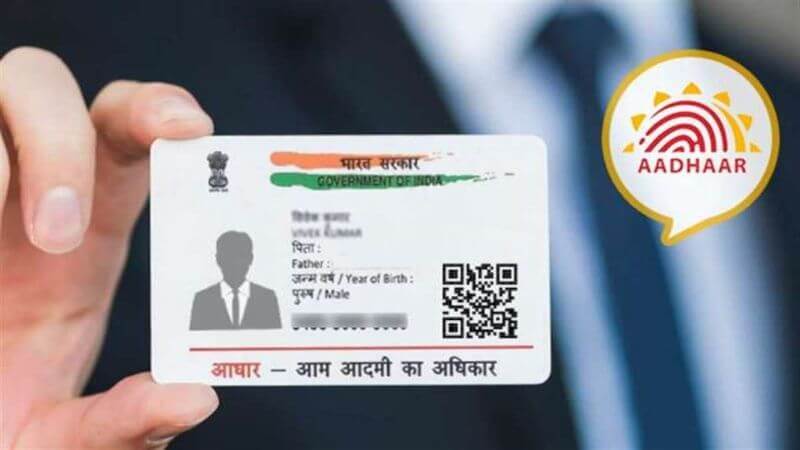
The system works through Aadhaar, which already has your fingerprints and facial data. When you make a payment, your phone will ask you to authenticate using biometrics. It matches your fingerprint or face with what’s in the Aadhaar database.
No PIN typing. No worrying about someone watching over your shoulder while you enter your PIN. Just unique biometric data doing the work.
The process is pretty straightforward. You start a UPI payment like usual. But instead of entering your PIN, you get an option to use biometrics. Put your finger on the scanner or let the camera scan your face, and the payment is approved instantly.
RBI Gave The Green Signal
This didn’t just happen out of nowhere. The Reserve Bank of India recently changed its rules to allow alternate authentication methods. Before this, PINs were pretty much the only way to verify UPI payments.
The RBI’s new framework basically tells banks and fintech companies, “Go ahead, try new technologies for authentication.” Making things better for the customers. And that’s exactly what NPCI has done with biometric payments.
Better Security And Easier For Everyone
It gets interesting. Biometric authentication is actually safer than PINs. Why? Because you can’t really steal someone’s fingerprint or face the way you can steal a PIN.
Rohit Mahajan, who founded Plutos ONE, said, “He is particularly excited about how this helps senior citizens and PPA areas who find digital payments confusing.”
Mahajan said biometrics make transactions virtually frictionless for people who have trouble remembering passwords or figuring out the app interfaces.
And he is right. Think about your parents and grandparents. How many times have they called you because they forgot their UPI PIN? Or avoided using payments altogether because it seemed too complicated?
What About Privacy?
Now, not everything is perfect. Privacy experts are raising some concerns. If the system uses biometric data, how is that information protected? Who has access to it? What happens if there is a security breach?
Mahajan pointed out that strong measures need to be in place for user consent and data protection. The system must work smoothly across all banks and UPI apps, and users need to know their biometric information is safe.
These are serious questions. Data is sensitive. It is literally your identity. The government and NPCI need to ensure a solid corruption-free environment, clear privacy rules, and, importantly, give users control over their data.
You should be able to choose whether you want to use biometrics for your PIN. Not everyone has a phone with a fingerprint scanner or face recognition. And what if people simply prefer the traditional method?
Follow Us: Facebook | Instagram | X |
Youtube | Pinterest | Google News |
Entertales is on YouTube; click here to subscribe for the latest videos and updates.