
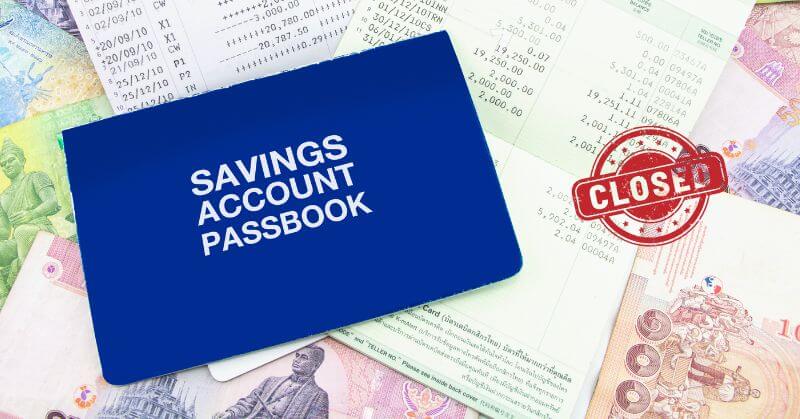
Most people assume bank accounts are forever. Open it once and forget about it. But that assumption is about to cost many Indians a rude surprise. A quiet but important change means unused bank accounts can now be shut down, and millions may not even realise they are on the list. If you haven’t touched your bank account in years, it might disappear soon. The Reserve Bank of India has given banks the green light to close inactive accounts starting January 1. This affects accounts that are forgotten, have zero balance, and those with missing paperwork. Millions of accounts across India could be impacted, and many people don’t even know they’re at risk.
Why Are Banks Doing This?
Banks handle crores of accounts every day. But many of these accounts just sit there with no transactions, no activity, nothing. The RBI wants banks to clean this up because:
- Unused accounts are targets for fraudsters
- They create unnecessary paperwork
- Outdated information poses security risks
- Money laundering can happen through forgotten accounts
Around 3.5 crore bank accounts in India are currently dormant or inactive. That’s a huge number, and it’s causing problems for the banking system.
What Is A Dormant Account?
Your account becomes dormant when you don’t make any transactions for two years. But here’s the catch: only transactions you initiate count. If the bank adds interest or deducts charges, that doesn’t count.
Transactions that count:
- Withdrawing cash
- Depositing money
- Transferring funds online
- Using your debit card
- Writing a cheque
What doesn’t count:
- Banks adding interest
- Banks deducting charges
- Automatic bill payments (sometimes)
When your account goes dormant, banks usually block your ATM card, stop net banking, and send you notices. Dormant accounts across India currently hold about ₹1.2 lakh crore in unclaimed money.
Zero-Balance Accounts At Risk
Got an account with ₹0 sitting for years? It’s probably on the closure list. These include:
- Accounts you opened during college but forgot about
- Old salary accounts from previous jobs
- Jan Dhan accounts that never got used
- Accounts opened for one-time purposes
Banks spend money maintaining every account — even empty ones. When thousands pile up, they eventually have to go.
The KYC Problem
Your Know Your Customer (KYC) documents need updating every few years. If your account is inactive and your KYC is outdated, you’re in double trouble. What banks need:
- Valid ID proof
- Current address proof
- Recent photos
- Active mobile number
About 15–20% of inactive accounts also have pending KYC updates. These are the most likely to get closed first.
How To Save Your Account
Make a transaction:
- Deposit even ₹100
- Withdraw ₹500 from an ATM
- Transfer money to another account
- Buy something with your debit card
Update your KYC:
- Visit your branch with documents
- Use e-KYC if your bank offers it
- Many banks let you update it through their app now
Link your phone and email: Call customer care or visit the branch to add your current contact details. You’ll get alerts about everything.
Check your account status: Log in to net banking or call customer care.
Ask directly: “Is my account dormant?”
What Happens If Your Account Gets Closed?

Your money doesn’t vanish. Banks keep it safe. But getting it back means:
- Visiting the branch in person
- Filling out forms
- Showing ID proof
- Waiting for processing
Some banks let you reactivate a dormant account. But once it’s closed, you usually have to open a new one.
This move is both good and annoying. Good because it cleans up the banking system and reduces fraud. Annoying because communication could be better, and many people will realise the truth only when their account is already gone.
Don’t wait for notices. You might miss them. Take control now. It’s your money — act like it.
Follow Us: Facebook | Instagram | X |
Youtube | Pinterest | Google News |
Entertales is on YouTube; click here to subscribe for the latest videos and updates.