
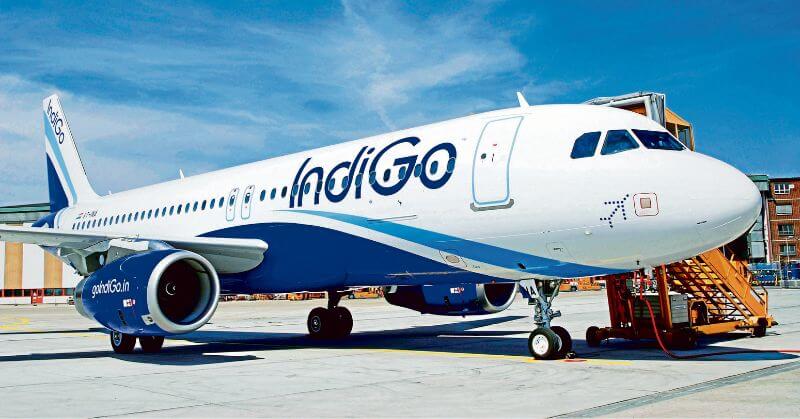
December is supposed to be about homecoming, holidays, and long-planned journeys. But for thousands of Indian flyers in December 2025, it turned into three days of stress, uncertainty, and exhaustion. When flights stopped making sense, and answers were nowhere to be found, anger spilled onto social media. Weeks later, IndiGo has finally responded. The question now is whether the response is enough.
After weeks of anger and complaints, IndiGo has finally responded with something called a Gesture of Care. They are offering ₹10,000 per passenger as compensation. But there’s a lot more to this story than just the money.
What Happened In December 2025?
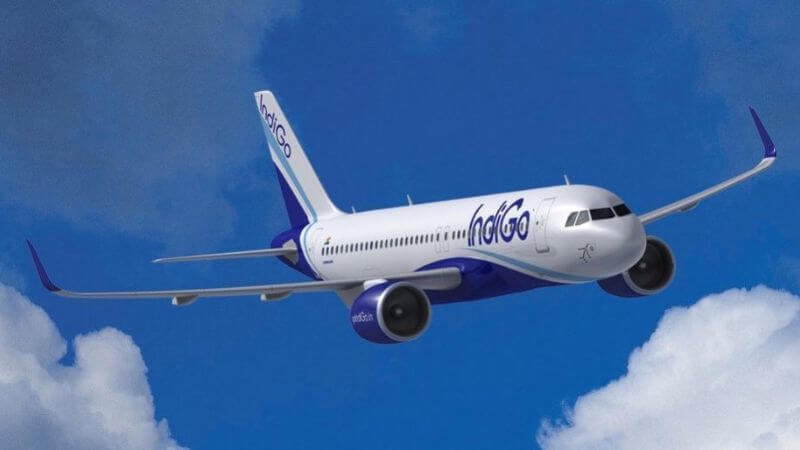
Between December 3 and December 5, IndiGo operations completely broke down. Thousands of flights were delayed or cancelled across the network. Major airports in Delhi, Mumbai, Bengaluru, and other cities turned into chaos zones.
The timing made everything worse. Early December is peak travel season in India. People book tickets months in advance for vacations, family events, and business meetings. When flights started getting cancelled, passengers had nowhere to go. Hotels were booked out, alternative flights were expensive, and customer service couldn’t handle the flood of complaints.
Social media exploded with angry posts. Videos showed passengers arguing with staff, families camping at airports, and people breaking down after missing important life events. One viral clip showed a man who missed his daughter’s wedding because his flight got cancelled three times in a row.
IndiGo operates over 2,000 flights daily and controls about 62–63% of India’s domestic market. When an airline this dominant stumbles, the ripple effect is massive.
Understanding The Gesture Of Care Program
After facing widespread criticism, IndiGo announced its compensation plan. Interestingly, the airline chose to brand it as a “Gesture of Care” rather than direct compensation.
Here’s what affected passengers are getting: ₹10,000 per person, not per booking. This matters. If four people were travelling together, each gets ₹10,000 — a total of ₹40,000.
The amount is issued as two vouchers of ₹5,000 each. These vouchers can be used together or separately.
IndiGo has made the vouchers valid for 12 months. You can book flights within that window even if the actual travel happens later. For instance, a voucher expiring in January 2027 can be used in December 2026 to book a flight for March 2027.
Who Gets The Compensation?
Not everyone who flew IndiGo in December qualifies.
Your flight must have been scheduled between noon on December 3 and the end of December 5, 2025. Flights outside this window don’t count.
You must also have been severely impacted. This includes cancellations, missed connections due to delays, or being stuck at the airport for hours. A minor delay of 20–30 minutes likely won’t qualify.
Compensation is assessed per passenger, not per booking, regardless of how many people were on one PNR.
IndiGo will use its internal records to identify affected flyers, including cancellation logs, delay data, rebooking information, and customer complaints from those three days.
How Will You Get The Voucher?
IndiGo will email eligible passengers directly using the contact details on file — and this is where many could miss out.
Some passengers booked using old email IDs, travel agents’ emails, or family members’ accounts. If IndiGo doesn’t have your current contact details, you might never see the voucher email.
Passengers are advised to check spam and promotional folders carefully. Important airline emails often end up there.
If your email isn’t updated, you can still claim the voucher by contacting IndiGo customer support and updating your details — but you’ll need to be proactive.
Once issued, the vouchers are digital codes. Enter them while booking on IndiGo’s website or app, and the amount is deducted automatically.
Using Your Vouchers
The vouchers can be used on any IndiGo route.
If your ticket costs ₹8,000 and you use a ₹10,000 voucher, the remaining ₹2,000 stays in your account for future bookings.
You can also use vouchers for add-ons like extra baggage, seat selection, meals, and priority boarding.
Since each passenger gets two ₹5,000 vouchers, you can use them separately, combine them, or pool them with family members while booking together.
The 12-month validity starts from the date the voucher is issued, not from the disruption date.
The Numbers Behind The Program
IndiGo connects over 85 destinations and dominates India’s domestic aviation market.
Even if a conservative 10,000 passengers were compensated, the payout crosses ₹10 crore. The real number could be much higher.
For perspective, ₹10,000 roughly covers a one-way economy ticket on most domestic routes during normal pricing and accounts for 10–15% of a typical domestic round-trip fare.
Conclusion
IndiGo’s compensation is better than nothing. ₹10,000 per passenger is real money, and the per-passenger approach, not per-booking, is genuinely fair.
But let’s be honest — this is damage control, not generosity. With over 60% market share, IndiGo cannot afford prolonged trust erosion. The voucher system is a clever business: it brings passengers back instead of letting cash walk away.
The real test isn’t this payout. It’s whether IndiGo invests equally in fixing operational cracks so December 2025 never happens again. Compensation helps soothe anger. Prevention builds trust.
Follow Us: Facebook | Instagram | X |
Youtube | Pinterest | Google News |
Entertales is on YouTube; click here to subscribe for the latest videos and updates.