
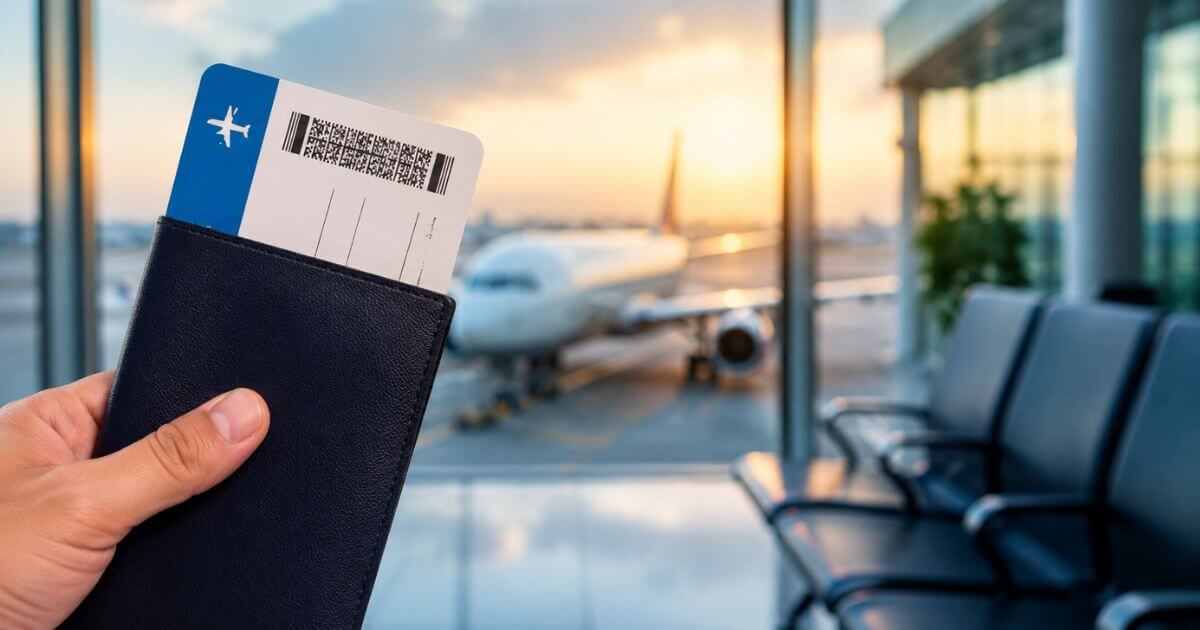
International travel from India is set to get a little more convenient from September 1. The Bureau of Immigration has decided to end the mandatory stamping of boarding passes at immigration counters for passengers travelling abroad. The new system means international travellers will be able to show their e-boarding pass on their smartphone during immigration clearance. Physical boarding passes will also continue to be accepted, but immigration officers will no longer stamp them. The change will apply at international airports across India.
The move is aimed at reducing paperwork and making the immigration process smoother. Officials have also cited inconvenience caused to passengers and instances where incorrect or improper stamping made boarding passes difficult to read.
No More Boarding Pass Stamps From September 1
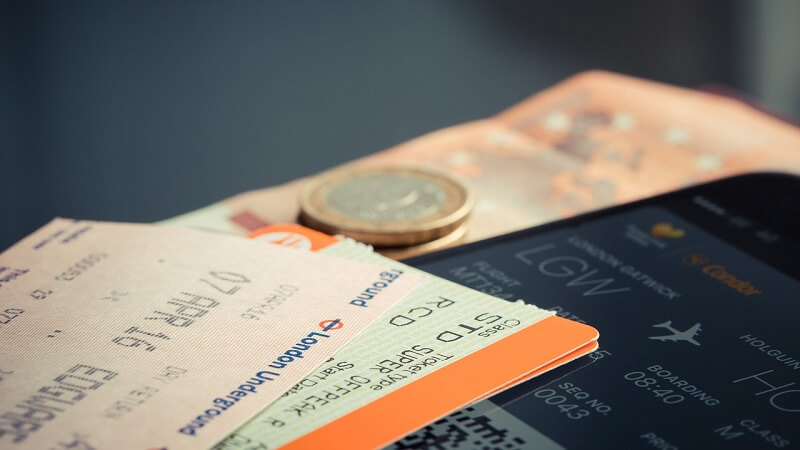
For years, international passengers departing India have had to present their physical boarding passes at immigration counters. After completing the immigration process, the officer would stamp the boarding pass. That requirement is now being removed.
From September 1, 2026, passengers travelling abroad from Indian international airports can present an electronic boarding pass on their phone for immigration clearance. The Bureau of Immigration has communicated the decision to airport authorities and other stakeholders ahead of the rollout. The change does not mean immigration clearance itself is being removed. Passengers will still have to complete the required immigration formalities and present their passport. The major difference is that the boarding pass will no longer need a physical immigration stamp.
You Can Show Your E-Boarding Pass On Your Phone
The biggest convenience for travellers will be the acceptance of digital boarding passes. Passengers who check in online and receive an e-boarding pass from their airline can simply keep it accessible on their smartphone and show it at the immigration counter.
This is particularly useful for travellers who already prefer digital check-in. They will not have to print a separate boarding pass simply because they need it at immigration. The move also fits into India’s wider push towards digital travel and immigration processes. However, passengers should still keep their passport ready. The new rule changes the handling of the boarding pass. It does not remove the passport requirement for immigration clearance.
Printed Boarding Passes Are Still Allowed
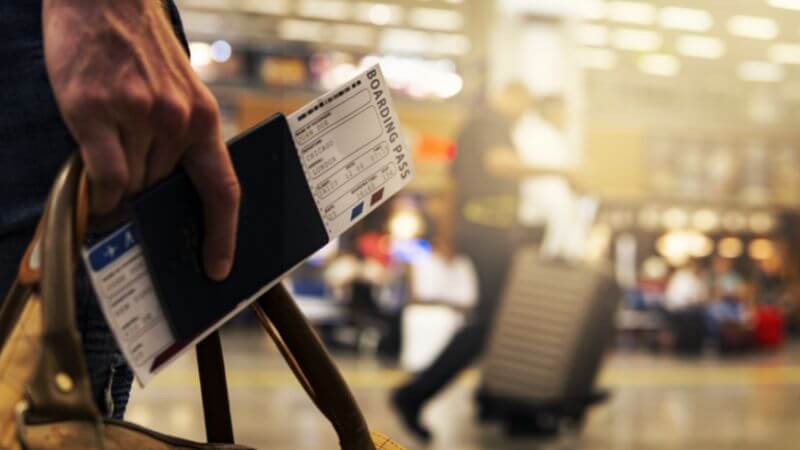
Travellers who prefer paper documents do not need to worry. A printed boarding pass will continue to be accepted at immigration counters even after September 1. The only difference is that the immigration officer will not stamp the physical boarding pass. This means passengers effectively have a choice.
They can use an e-boarding pass on their smartphone or carry a printed boarding pass as a backup. For some travellers, keeping a physical copy may still be useful. A phone could run out of battery, become inaccessible or face a technical problem. Having a printed copy can provide an additional backup during a long international journey. But the traditional immigration stamp on that paper will no longer be required.
Why Is India Removing The Boarding Pass Stamp?
The Bureau of Immigration decided to remove the requirement after finding that physical stamping was causing inconvenience to passengers. Officials also pointed to instances of improper or incorrect stamping. Such errors could affect the readability of boarding passes and potentially create problems when the document needed to be read or scanned later. Removing the physical stamp eliminates one additional step from the immigration process.
It also reduces the amount of paper handling involved in international travel. For passengers, the change may appear small. But at busy international airports, even small procedural changes can help reduce friction when thousands of people are passing through immigration counters.
The Rule Applies Across International Airports
The new procedure is not limited to Delhi, Mumbai or any other specific airport. It will apply at all international airports in India, according to officials. Airport operators and other aviation stakeholders have been informed about the change and are being prepared for its implementation. That means passengers departing internationally from major airports as well as other international gateways will follow the revised procedure from September 1. For travellers, the process should therefore become more consistent across Indian airports.
CISF Had Already Stopped Stamping Boarding Passes
There is another important detail that passengers may not be aware of. The boarding pass stamp being removed from September 1 is related to immigration, not the security check carried out by the Central Industrial Security Force.
CISF had already stopped stamping boarding passes during passenger security checks several years ago for both domestic and international travellers. Boarding passes were still required for the relevant clearance process, but the physical stamping practice had already been discontinued. The September 1 change therefore removes the remaining immigration-related boarding pass stamping requirement. It is another step towards reducing physical paperwork at airports.
What Happens At Immigration From September 1?
The immigration process itself will continue. Passengers travelling abroad will still need to approach immigration and complete the necessary checks. Their passport will remain an important part of that process. The difference is that travellers can present their e-boarding pass on their smartphone rather than carrying a physical boarding pass specifically for stamping. Those carrying printed passes can still show them. But once immigration clearance is completed, the officer will no longer place the traditional stamp on the boarding pass. In simple terms, the immigration process remains. The paper stamp disappears.
Travellers Should Keep Their E-Boarding Pass Ready
Although the new system is designed to make travel easier, passengers should still prepare properly before reaching immigration. If you are using a digital boarding pass, make sure it is available on your phone before joining the immigration queue. It is also sensible to keep a screenshot or offline version accessible if your airline’s boarding pass supports it. Airport connectivity can sometimes be unpredictable, and relying entirely on a live internet connection may not be ideal.
A charged smartphone is becoming increasingly important as more airport procedures move towards digital systems. Travellers should also continue following any instructions issued by their airline or the airport on the day of travel.
Could This Make International Travel Faster?

The removal of boarding pass stamping could make immigration counters more efficient. Immigration officers will no longer need to physically stamp every boarding pass after completing the required checks. Passengers also won’t have to worry about whether a stamp has been placed correctly or whether it has damaged important information printed on the document.
Officials have specifically cited stamping errors and passenger inconvenience as reasons behind the change. The actual time saved for each passenger may be small. But when applied across thousands of international travellers, removing an unnecessary manual step could make the overall process smoother.
India Is Moving Towards More Digital Immigration
The boarding pass change is part of a broader shift towards digital immigration and airport processes. Indian airports have increasingly adopted automated systems, digital boarding passes, biometric technology and electronic processing. There is also another potential change in the works.
Officials have said a pilot project is underway to eliminate immigration entry and exit stamping for Indian passport holders. The plan is separate from the September 1 boarding pass rule and has not yet replaced the existing passport procedures nationwide. If that pilot is eventually expanded, more immigration records could be maintained electronically rather than through physical stamps.
Boarding Pass Stamp Is Going, But Your Passport Still Matters
One point travellers should not misunderstand is that the removal of boarding pass stamping does not mean international travel has become completely paperless overnight. The passport remains essential for international travel and immigration clearance. Similarly, travellers should continue carrying all documents required for their destination, including visas and other relevant paperwork where applicable.
The September 1 change is specifically about the physical boarding pass and its immigration stamp. So, if you are flying abroad after the new rule takes effect, don’t confuse the removal of the boarding pass stamp with the removal of immigration formalities.
What International Travellers Need To Remember
There are four key things to remember before travelling internationally from India after September 1. First, the new system begins on September 1, 2026. Second, passengers can show an e-boarding pass on their smartphone at immigration. Third, printed boarding passes will still be accepted. Fourth, immigration officers will no longer stamp boarding passes. The immigration clearance process itself continues. For travellers, that means one less physical document-related step to worry about.
Conclusion
India is removing another piece of paperwork from the international airport experience. From September 1, 2026, passengers flying abroad from Indian international airports will no longer need to get their boarding passes stamped at immigration counters. E-boarding passes displayed on smartphones will be accepted, while printed boarding passes will continue to be allowed without the immigration stamp.
The Bureau of Immigration has cited passenger inconvenience and errors caused by improper stamping as reasons for the change. For frequent international travellers, it may seem like a small update. But it marks another step towards a more digital and streamlined immigration process. And if the separate pilot to remove passport entry and exit stamping for Indian citizens is eventually expanded nationwide, the airport journey could become even more paperless in the future.
Follow Us: Facebook | Instagram | X |
Youtube | Pinterest | Google News |
Entertales is on YouTube; click here to subscribe for the latest videos and updates.