


What began as a routine flight turned into a mid-air scare that no passenger will ever forget. Once scheduled for an everyday flight, Air India Flight AI171 was the focus of a heartbreaking incident that raised serious questions about aircraft safety. Months later, a detailed report from the Aircraft Accident Investigation Bureau (AAIB) has been released officially. It contains shocking information that travelers and aviation authorities cannot afford to ignore. This is what happened on board AI171, as well as the findings of the investigation.
The Air India Flight AI171
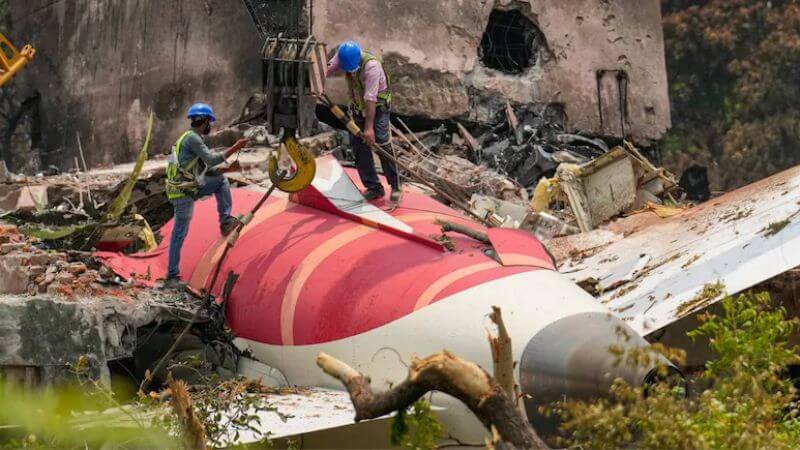
The initial findings of the investigation into the June 12 tragedy of Air India Flight AI171, a Boeing 787-8 that was flying to London Gatwick from Ahmedabad, were recently released publicly by the Aircraft Accident Investigation Bureau (AAIB).
Shortly after takeoff, Air India Flight 171 crashed in Ahmedabad, killing 260 people, including 242 on board, and Vishwashkumar Ramesh, a survivor of the tragedy.
About 30 seconds after takeoff, the Boeing 787-8 Dreamliner that was operating the flight crashed into the Ahmedabad dormitory block of B. J. Medical College. The aircraft was in a nose-up, wings-level attitude when it started to lose altitude shortly after takeoff. The aircraft crew reported a lack of thrust and power, resulting in a mayday call. On impact, the collision resulted in several explosions.
Twelve crew members and 230 passengers were on board the plane. 19 people were also killed in the tragedy, while 67 more suffered injuries on the ground.
What Is There In The Initial 15-Page Report?
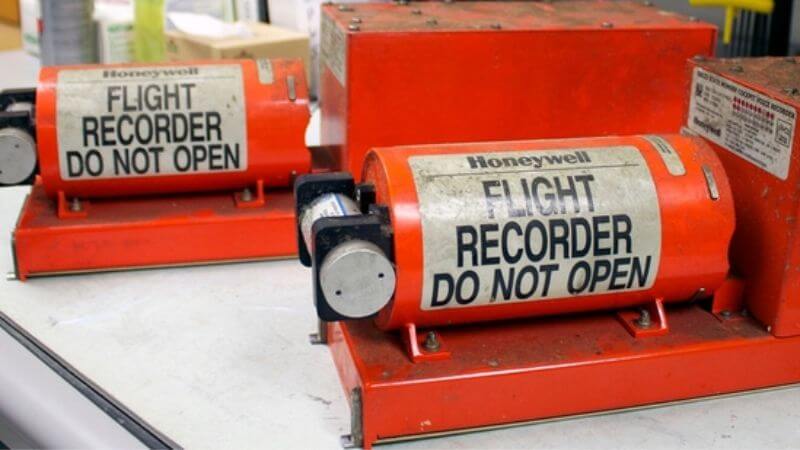
The initial outcomes and present situation of the investigation into the crash of Air India Flight AI171, a Boeing 787-8 Dreamliner bound for London Gatwick, are detailed in the 15-page report, which was released early Saturday. Shortly after taking off, the plane crashed into a medical hostel building close to the airport.
The AAIB report claims that during the voice recording in the cockpit, one pilot could be heard asking the other, “Why did you cut off?” In response, the other pilot said, “I didn’t.” Only Engine 1 showed some recovery, despite the pilots’ attempts to restart the engines. The second engine was unable to stabilize.
According to the communication, one pilot had observed the fuel cutoff and was inquiring, while his colleague confirmed that he had not done so. This suggests the cause of the simultaneous fuel loss in both engines.
According to the investigation, the fuel cutoff switches, which control the fuel flow to the engines, changed from the “RUN” to the “CUTOFF” positions nearly simultaneously, within a second of one another.
Just before the plane crashed into a residential area close to the Ahmedabad airport boundary at 08:09 UTC, the crew called for help, saying, “MAYDAY.”
Engine 1 started to recover once the switches went back to “RUN,” however, Engine 2 did not restart, according to data from the Enhanced Airborne Flight Recorder (black box).
According to the investigation, no safety recommendations are currently being given to manufacturers and operators of GE GEnx-1B engines or Boeing 787-8 aircraft. You can also download the 15-page AAIB Air India AI171 crash report.
Air India’s Response To This Tragedy

“Air India expresses its sympathy to the families and individuals impacted by the AI171 tragedy. We remain deeply shocked by the loss and are dedicated to helping you through this difficult period. We recognize receipt of the Aircraft Accident Investigation Bureau’s (AAIB) preliminary report, which was made public today, July 12, 2025. Regulators are among the stakeholders with whom Air India is collaborating closely.”
As the AAIB and other authorities continue their investigation, we remain completely cooperative. We submit all such inquiries to the AAIB and are unable to comment on particular issues due to the ongoing nature of the inquiry,” a representative from Air India said.
This incident of Air India Flight AI171 is more than just a crash or an investigation report — it’s a painful scar etched into the memories of families who lost their loved ones and a wake-up call for the aviation industry. With 260 lives lost, including innocent residents on the ground, this is not just about technical failure — it is about human responsibility, system checks, and the urgent need for change.
Follow Us: Facebook | Instagram | X |
Youtube | Pinterest | Google News |
Entertales is on YouTube; click here to subscribe for the latest videos and updates.