
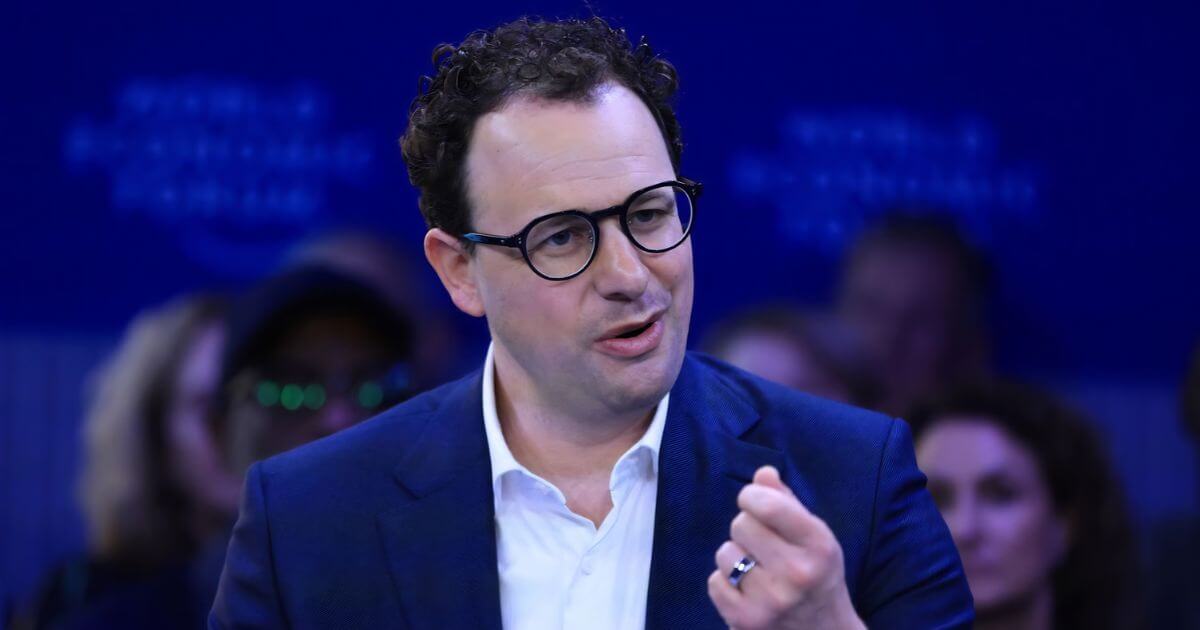
What if cancer, Alzheimer’s and heart disease become treatable conditions rather than some of humanity’s biggest medical challenges? It sounds like a distant dream, but Anthropic CEO Dario Amodei believes artificial intelligence could bring us closer to that reality within the next decade. His prediction has sparked fresh debate about whether AI can transform healthcare at a speed that traditional medical research has never achieved.
Anthropic CEO Dario Amodei Predicts Major Medical Breakthroughs
Amodei, whose company developed the Claude AI models, believes advances in artificial intelligence could help humanity overcome some of its most challenging diseases.
“Cancer, Alzheimer’s, heart disease, mental illness, these will be relics of the past in, I think, less than a decade,” Claude maker Anthropic’s CEO Dario Amodei said.
He also expressed hope that AI could open the door to medical discoveries that have remained out of reach for generations. “I think if we do this right, we can create an age of miracles where humanity is able to solve problems that have eluded us for millennia,” Amodei said.
His optimism comes from AI’s growing ability to accelerate biological research, identify potential drug candidates and analyse complex scientific data. The technology could help researchers explore possibilities that would otherwise take considerably longer.
Elon Musk And Demis Hassabis Also See A Medical Revolution
Amodei is not the only prominent technology leader making ambitious predictions about AI and healthcare. Google DeepMind CEO Demis Hassabis has suggested that artificial intelligence could compress years of drug discovery research into weeks. He has also spoken about the possibility of AI helping humanity reach an era where diseases can be eliminated.
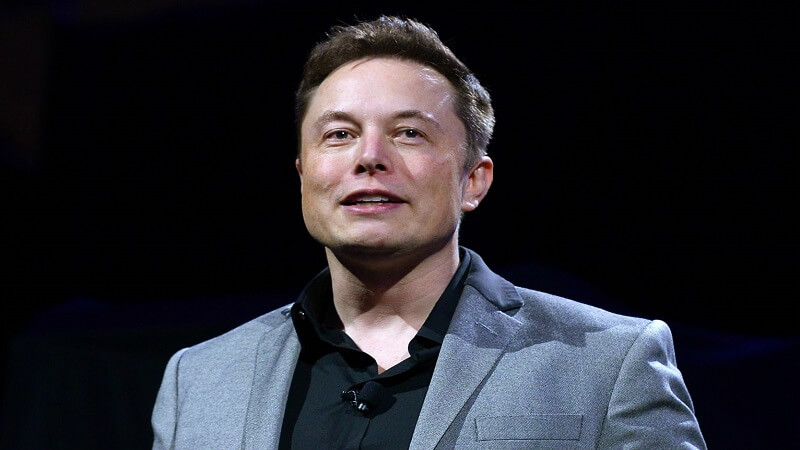
One example often highlighted is AlphaFold, Google’s AI system that predicted the structures of more than 200 million proteins. It has become a significant tool for biological research, helping scientists understand proteins and their functions. However, predicting protein structures is not the same as discovering and delivering cures for complex diseases. Elon Musk has also shared an ambitious vision. He believes AI advancements could eventually give everyone access to the highest level of medical care, comparable to what the US President receives today.
Why Pharmaceutical Experts Are Not Convinced

While technology leaders are optimistic, pharmaceutical industry executives remain cautious about these predictions. Jeff Leiden, executive chairman of Vertex Pharmaceuticals, has dismissed some of the timelines as “complete BS.” He pointed out that Vertex had evaluated around 50 AI companies using approximately 10,000 drug compounds, but none independently produced a working drug.
The biggest challenge is that discovering a promising molecule is only the first step in developing a medicine. Potential treatments must undergo extensive laboratory research, animal testing and human clinical trials. They also need regulatory approval before becoming available to patients. Traditional drug development can take 10 to 12 years. AI may speed up certain stages, but it cannot automatically eliminate the need to establish whether a treatment is safe and effective.
Critics such as cognitive scientist Gary Marcus and cardiologist Eric Topol have also questioned whether current AI systems possess the biological understanding and causal reasoning needed to consistently deliver major medical breakthroughs.
AI’s Medical Promises Need To Be Tested

There are reasons to be cautious about predictions of a medical revolution within ten years. The 1970s “war on cancer” raised hopes of rapidly defeating the disease, but finding effective treatments has proved far more complicated. AI has already made meaningful contributions to scientific research. However, a breakthrough in data analysis or protein prediction does not automatically translate into a successful treatment.
Can AI Really Make Cancer A Thing Of The Past?
Artificial intelligence could become one of the most important tools in the future of medicine. It may help scientists discover drugs faster, understand diseases better and explore new treatment possibilities. However, turning those discoveries into safe and effective medicines remains a long and demanding process. Amodei’s prediction offers an exciting vision, but whether science can deliver it within a decade is still an open question.
Follow Us: Facebook | Instagram | X |
Youtube | Pinterest | Google News |
Entertales is on YouTube; click here to subscribe for the latest videos and updates.