


People and businesses across India can continue using UPI under the existing arrangements for now. The National Payments Corporation of India (NPCI), which operates the Unified Payments Interface, has postponed the proposed merchant fee that was due to take effect on October 15, 2026.
The decision comes just before the festive shopping period, when digital payments are widely used for purchases ranging from groceries and clothing to electronics and household appliances.
NPCI said the fee on selected person-to-merchant (P2M) UPI transactions would be implemented immediately after Diwali, on a date to be announced separately. The proposed fee structure has not been cancelled; its rollout has been delayed.
Why Has NPCI Postponed The UPI Merchant Fee?
The postponement comes amid concerns from retail trade associations about introducing additional payment costs during the festive season.
Merchant groups had argued that the proposed charges could put pressure on businesses that operate with thin profit margins. Representatives from trade associations met Finance Minister Nirmala Sitharaman on September 30 to raise their concerns about the plan.
NPCI’s decision gives merchants and payment companies more time to prepare for the change during a period when transaction volumes typically increase. The Confederation of All India Traders welcomed the postponement, describing it as a timely decision for businesses preparing for the festive and wedding seasons.
However, the decision is a delay rather than a withdrawal. NPCI has indicated that the revised fee framework will come into effect after Diwali, with the exact date to be notified separately.
What Is The Proposed 0.4% UPI Charge?
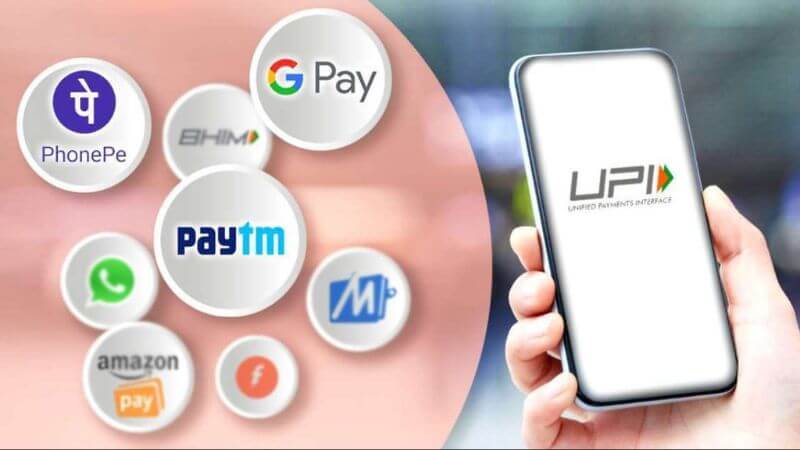
The Merchant Discount Rate, or MDR, is a processing fee paid by a merchant to the banks and payment companies involved in handling a digital transaction. Under the proposed framework, an MDR of 0.4% would apply to selected UPI payments made by customers to merchants when the transaction amount exceeds ₹2,000. The fee would be capped at ₹300 for transactions of ₹75,000 or more.
For example, if an eligible transaction is worth ₹5,000, a 0.4% MDR would amount to ₹20. This is an illustration of the proposed merchant fee, not an additional charge that every customer must pay.
Certain categories have separate proposed rates. Payments in categories such as railways, telecom, fuel and insurance were listed for a flat ₹5 fee on eligible transactions above ₹2,000. Capital-market transactions, including certain stockbroking and mutual-fund payments, were assigned a lower rate of 0.02%, subject to a ₹300 cap. These are details of the proposed structure. The new implementation date has not yet been announced.
Will Customers Have To Pay For UPI Transactions?

The most important distinction is that MDR is a fee charged to merchants, not a general transaction fee for every person using UPI. Person-to-person transfers, such as sending money to a friend or family member, are outside the proposed merchant-fee framework. The vast majority of everyday merchant payments were also expected to remain free under the announced structure.
The government has indicated that the merchant fee should not be passed on to consumers. Nevertheless, businesses may have concerns about their payment-processing costs, so users should distinguish between the official fee rules and speculation about possible changes in product prices. There is no basis for assuming that every UPI payment above ₹2,000 will automatically attract a direct customer charge when the proposed framework is implemented.
What Does The Delay Mean For Merchants And Payment Apps?
For merchants, the postponement provides additional time before the proposed cost structure takes effect. It also avoids introducing a new payment-processing charge immediately before a busy shopping period. Payment companies and banks, meanwhile, have been looking for ways to support the cost of operating India’s expanding digital-payment ecosystem. The MDR framework is intended to create a revenue stream for the entities involved in processing eligible transactions.
The timing of implementation will therefore matter to both sides. Merchants want predictable costs, while payment providers need clarity on how the new framework will work and when it will begin. For consumers, the immediate takeaway is simpler: the planned October 15 start date no longer applies. Users should rely on official announcements rather than social-media messages claiming that UPI is becoming chargeable for everyone.
Proposed UPI MDR Structure At A Glance
| Transaction Type | Proposed Fee Structure | Current Position |
|---|---|---|
| Person-to-person UPI transfers | No MDR under this framework | Remain outside the proposed merchant fee |
| Selected merchant payments above ₹2,000 | 0.4%, subject to the applicable cap | Implementation postponed until after Diwali |
| Transactions of ₹75,000 or more in the eligible category | 0.4%, capped at ₹300 | New start date awaited |
| Selected essential-service payments above ₹2,000 | Proposed flat ₹5 fee | Implementation postponed |
| Selected capital-market transactions | Proposed 0.02%, capped at ₹300 | Implementation postponed |
Conclusion
NPCI’s decision postpones the proposed UPI merchant fee until after Diwali, giving businesses and payment companies more time to prepare. The planned 0.4% MDR on selected merchant transactions above ₹2,000 remains on the table, but its revised start date is not yet known. For now, users should not confuse a merchant-processing fee with a blanket charge on all UPI payments.
Follow Us: Facebook | Instagram | X |
Youtube | Pinterest | Google News |
Entertales is on YouTube; click here to subscribe for the latest videos and updates.