

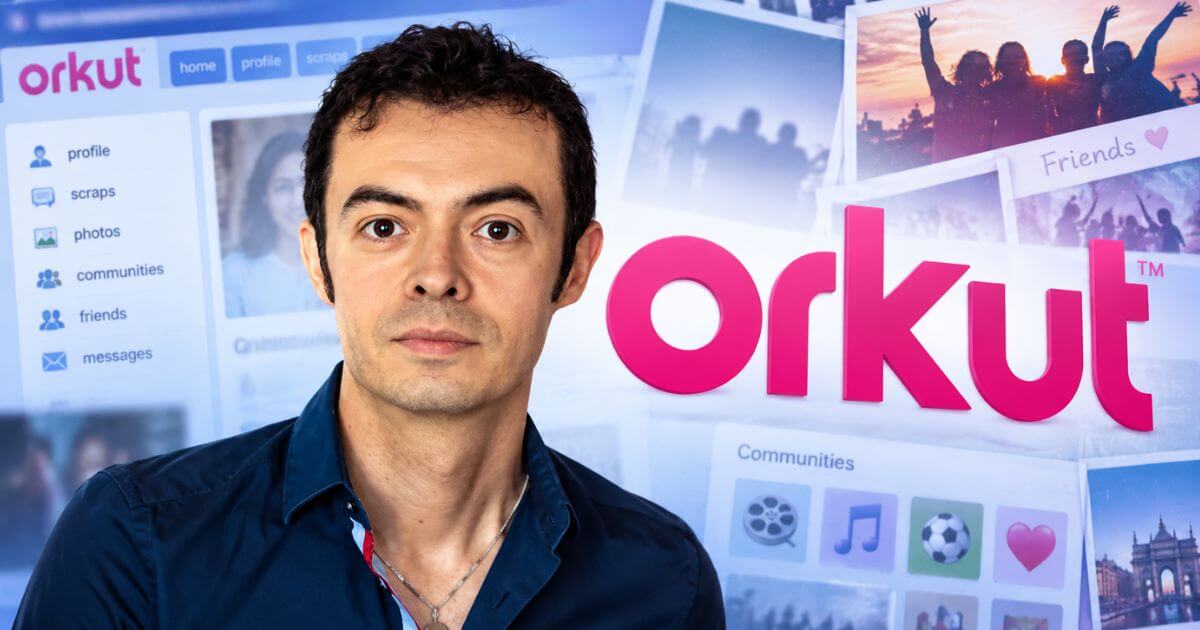
Orkut, the social networking platform that became a popular destination for internet users in the 2000s, could be preparing for a new chapter. Its founder, Orkut Buyukkokten, has launched a campaign calling for a new social network built around genuine relationships, meaningful conversations and a stronger sense of community.
The development has sparked interest among users who remember Orkut as one of the internet’s earliest popular social platforms. However, there is an important distinction: the founder has expressed his vision for a new social network, but an official relaunch of the original Orkut platform has not been confirmed. No launch date has been announced either.
Orkut Founder Wants To Build A More Human Social Network
The internet should help us find our people. Friendship. Community. A place to belong.
Help me bring Orkut back in that spirit. Add your name at https://t.co/FO48fJMjEq and share your supporter card with someone you want to bring along.
Love,
Orkut https://t.co/zesE18Y3Fd— Orkut Buyukkokten (@orkut) October 8, 2026
Buyukkokten has invited people to support his vision through a campaign on orkut.com. The initiative focuses on creating an online space where people can form authentic connections rather than simply consume content designed to keep them scrolling. The campaign has reportedly received more than 270,000 signatures from people across 115 countries, reflecting interest in the idea of a different kind of social media experience.
In a post on X, the founder highlighted the importance of using the internet to help people discover friendship, build communities and find a place where they feel they belong.
His message centres on a familiar concern among social media users: online platforms may connect millions of people, but that does not necessarily translate into meaningful relationships. The campaign appears to be an attempt to address that gap. However, details about the proposed platform, including its features, business model and availability, have not been confirmed.
Why Is Orkut’s Founder Criticising Today’s Social Media?
In an open letter, Buyukkokten reflected on how social networking has changed since he created some of the earliest social platforms. “Over two decades ago, I created some of the earliest social networks. I have watched with you as social media has gone wrong,” he wrote.
He also criticised platforms that prioritise engagement metrics over meaningful interactions. “Feeds built around engagement, not connection. A generation of kids surrendered to algorithms that addicted them, divided them, and sold them to advertisers,” he said.
His comments point to a broader debate about how social media companies design their platforms. Recommendation algorithms, personalised feeds and engagement-driven features have become central to the modern social media experience. While these systems can help users discover relevant content, critics argue that they can also encourage excessive screen time and prioritise attention over genuine interaction.
Buyukkokten’s proposed alternative appears to place greater emphasis on the people behind the profiles and the relationships they build. Whether a new platform can deliver that experience at scale remains to be seen.
AI And Bots Raise Further Concerns
The growing use of artificial intelligence has added another dimension to the discussion around online authenticity. As AI-generated content and automated accounts become more common, distinguishing genuine human interactions from artificial activity can become increasingly difficult.
For a social network built around trust and belonging, this presents a significant challenge. Users would need confidence that the people they interact with are genuine and that conversations are not being overwhelmed by automated accounts. Although the founder has raised concerns about increasingly robotic online interactions, the proposed network’s approach to AI-generated content, bot detection and user verification has not yet been detailed. These questions will become more important if the project moves beyond its current campaign and develops into a functioning platform.
Why Did Google Shut Down Orkut?
Launched in 2004, Orkut became a major social networking destination, particularly in countries such as India and Brazil. Users could create profiles, join communities, share updates and connect with friends. Its community groups became a defining feature, allowing people with shared interests to discuss everything from entertainment and technology to everyday experiences.
However, competition in the social networking market intensified as Facebook and other platforms attracted users with evolving features and wider international reach. Google eventually discontinued Orkut on September 30, 2014, citing the growth of other social networking services and its decision to focus on other products.
For many former users, the platform remains associated with an earlier period of the internet, when online communities and personal profiles played a different role in everyday digital life.
Is The Original Orkut Actually Returning?
This is not the first time Buyukkokten has discussed bringing a new social networking experience to users. In 2022, he reactivated orkut.com and spoke about developing a platform focused on meaningful connections. The latest campaign has renewed interest in those plans, but it does not establish that the original Orkut website, accounts or communities will return.
For now, the founder is seeking support for a broader vision of social networking. More details will be needed to determine whether this initiative will become a new platform and how it might differ from existing services. Orkut’s comeback remains uncertain, but its founder is making one thing clear: he wants social media to focus more on people and less on engagement-driven feeds.
Follow Us: Facebook | Instagram | X |
Youtube | Pinterest | Google News |
Entertales is on YouTube; click here to subscribe for the latest videos and updates.