
Finding a dent, cracked mirror or scraped bumper in your apartment parking area can be frustrating when you did not see what happened. The place where the car was parked does not by itself decide whether a claim can be made. What matters is the cause of the damage, the type of motor cover you hold, and the evidence available. A documented approach can make the next steps much clearer.
Start With What Actually Caused The Damage
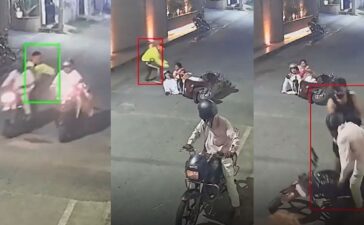
Apartment parking damage can happen in different ways. Another resident may reverse into your car. A visitor may scrape it while turning. A gate, loose object or falling branch may also cause damage.
Try to identify the cause before arranging repairs. The route for dealing with the loss can change depending on whether another vehicle, a person or an external object caused the damage. If the cause is unclear, record what you can see rather than guessing.
Your Own Vehicle Cover Matters Here

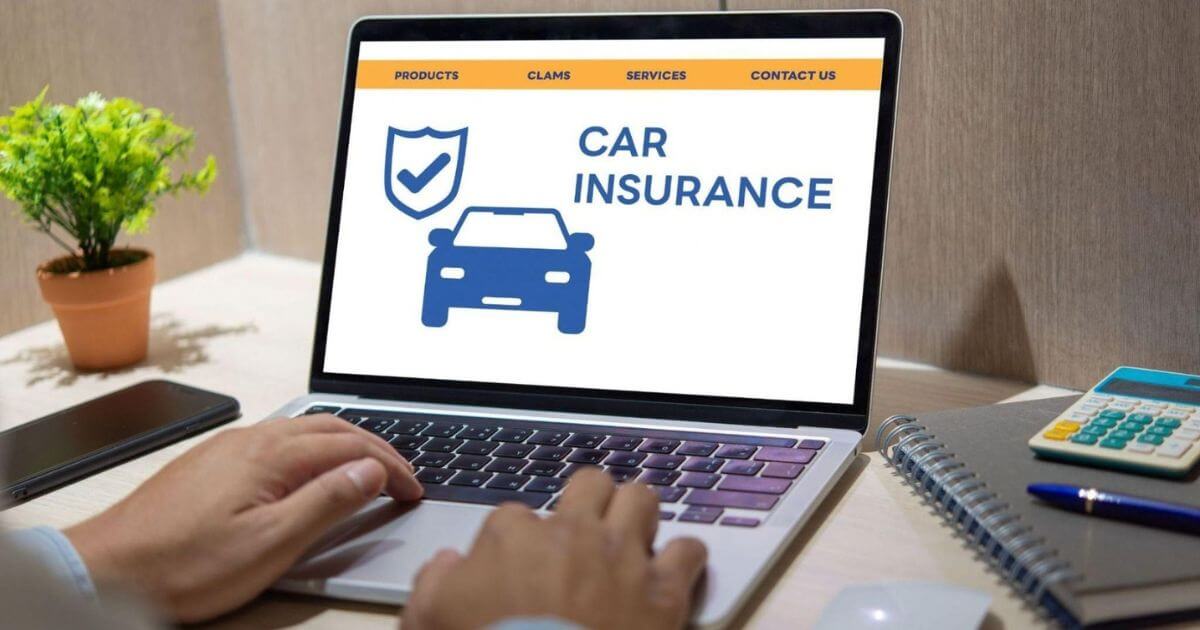
Damage to your parked vehicle may fall under the own damage section of your car insurance when the policy covers the incident. A comprehensive policy normally combines own damage protection with third party liability cover. In contrast, standalone own damage cover can protect the insured vehicle when an active third party policy is already in place.
The claim outcome will depend on the cause, policy wording, applicable deductibles and assessment of the damage. Parking inside a residential complex does not by itself decide whether an own damage claim is payable.
Record The Scene Before The Car Is Moved
Good evidence is useful when no one saw the incident. Before moving the vehicle, where it is safe to do so, take photographs of:
- the damaged area from close and wider angles;
- the parking slot and nearby space;
- paint marks, broken pieces or other visible clues; and
- any nearby vehicle that appears to be involved.
Note when you last saw the car without damage and when you noticed the problem. This can help apartment management locate CCTV footage.
Ask For CCTV And Parking Records Quickly
Many apartment complexes have cameras near entry gates, ramps or parking lanes. Ask the residents’ association, security team or facility manager whether footage is available for that period.
If another vehicle can be identified, note its registration number and share the details with your insurer. Security entry logs or visitor records may also help. Keep discussions with other residents factual and avoid deciding responsibility on your own.
Inform The Insurer Before Major Repairs
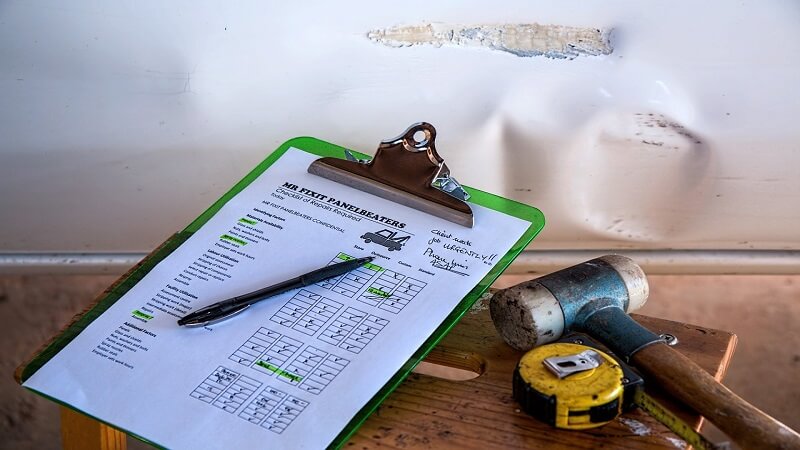
Once the damage is documented, contact your insurance provider and explain what happened. You may be asked for photographs, policy details, vehicle documents or a repair estimate depending on the incident.
Do not begin major repairs before completing any inspection or claim steps required under your policy. For some incidents, a police report may also be needed. The insurer can guide you on the process.
When Third Party Cover Becomes Relevant
The situation is different when your vehicle causes damage to someone else’s car or property inside the apartment complex. Third party car insurance is designed to address legal liability for injury or property damage caused to another party. It does not pay for damage to your own car.
If you accidentally reverse into another resident’s parked vehicle, the damage to that vehicle may become a third-party matter. Damage to your own car would need to be considered separately under the own damage part of your cover, if applicable.
What If The Person Who Caused The Damage Is Unknown?
A scrape in a basement can leave you with no driver details. In that situation, CCTV footage, photographs and a prompt report to the insurer become more important. If your policy includes suitable own damage protection, you can ask whether the incident can be registered under that section. The insurer will assess the evidence and policy terms before deciding the claim.
Does The Apartment Association Have To Pay?
The apartment association may be responsible in some situations, but this depends on how the damage occurred. For example, the matter may need further assessment if the car was damaged by a faulty parking gate, a falling fixture, construction material or another problem linked to a common area.
Report the incident to the apartment management in writing and keep photographs, emails and other relevant records. Responsibility should be determined from the circumstances and available evidence rather than from the parking location alone.
Final Thoughts
Damage inside an apartment parking area should be handled like any other vehicle incident: identify the cause, preserve evidence, report it promptly and then carefully check which part of your motor cover applies. The location alone does not decide the claim. Your policy type, the event that caused the damage and the supporting documents are more important. Claim approval and the amount payable remain subject to the policy terms, conditions and assessment.
Follow Us: Facebook | Instagram | X |
Youtube | Pinterest | Google News |
Entertales is on YouTube; click here to subscribe for the latest videos and updates.