

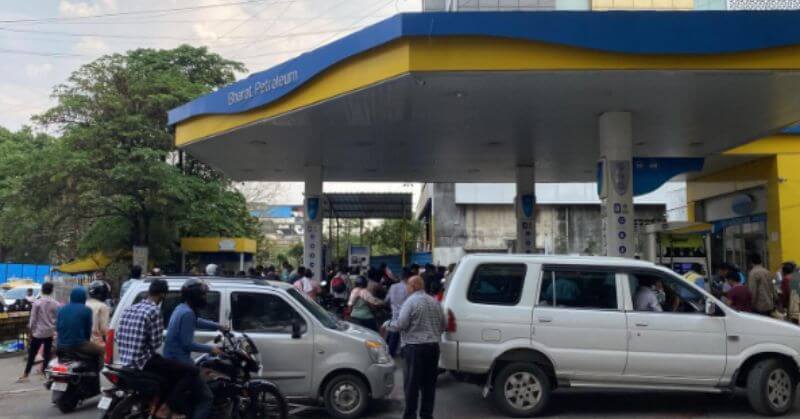
Fuel pumps running dry in a city like Nagpur is not something you see every day. But over the last couple of days, that’s exactly what unfolded. Long queues, anxious commuters, and a sudden spike in petrol and diesel demand created a situation that felt more like a crisis than a routine supply cycle. What triggered this sudden rush? Panic buying. And once it starts, it spreads faster than expected.
The situation across Nagpur and the wider Vidarbha region shows how quickly consumer behavior can shift when uncertainty kicks in. Within hours, fuel demand doubled, and supply chains struggled to keep pace.
Petrol Demand Doubles Across Vidarbha
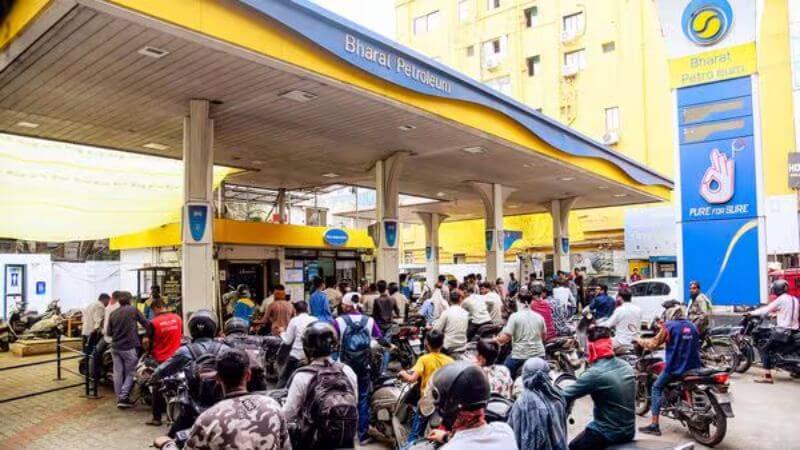
The scale of the surge has been massive. A senior official from a PSU oil company revealed that the region typically consumes around 800 kilolitres (KL) of petrol daily. However, on Tuesday, this number jumped sharply to nearly 2,200 KL. The trend didn’t slow down on Wednesday either, indicating that the panic buying continued.
If we look at the combined figures of all three PSU oil companies operating in the region, the total petrol sales are estimated to have reached around 6,000 KL in a single day. That’s an extraordinary spike and reflects how widespread the panic was.
Diesel Demand Also Sees Sharp Rise
Petrol wasn’t the only fuel witnessing a surge. Diesel sales also increased significantly. On a normal day, about 1,800 KL of diesel is sold by a single company. But during the panic buying phase, this figure shot up to nearly 3,000 KL.
Across the region, total diesel sales are estimated to have touched around 10,000 KL. This kind of demand is usually equivalent to the total stock held at a major depot for an entire day.
Nagpur Pumps Run Dry Amid Heavy Rush
View this post on Instagram
Nagpur city, which has around 64 petrol pumps, experienced the brunt of this sudden surge. Each company usually sells between 170 to 240 KL of petrol daily in the city. During the panic buying, this figure doubled.
With such rapid consumption, pumps began running dry quickly. The biggest issue wasn’t the availability of fuel at depots, but the speed at which it was being consumed. Replenishment simply couldn’t match the pace of demand.
What Triggered The Panic Buying?
View this post on Instagram
Sources indicate that the panic buying trend began in Gujarat a few days ago and soon spread to Maharashtra. The ripple effect was quick. Once people started fearing a shortage, demand shot up almost instantly.
Another contributing factor has been the ongoing West Asia crisis. Although there is no official shortage of fuel, the uncertainty around global crude supply has made consumers cautious. This fear translated into people rushing to fill their tanks, often more than required.
Payment Rules And Supply Delays Add Pressure
While panic buying played a major role, changes in supply processes made the situation worse. Oil companies have recently stopped the credit system for petrol pump dealers and are now insisting on advance payments.
Amit Gupta, president of the Federation of Maharashtra Petroleum Dealers Association (FAMPEDA), explained the issue clearly. Dealers now have to deposit the day’s cash in banks, after which payments are transferred via RTGS. This process takes two to three hours.
However, there’s a catch. If payments are received after 2.30 pm, dealers cannot get tanker refills on the same day. Earlier, lifting stock on credit ensured a smoother flow. Now, these delays are affecting timely replenishment.
Depot Timings And Operational Constraints
Operational limitations at fuel depots have also contributed to the issue. Nayara Energy’s depot at Wardha, which is a major supply source, shuts operations after 2.30 pm. This leaves many tankers stranded even if payments are made later in the day.
BPCL’s Borkhedi depot, located about 37 km from Nagpur, remains open for longer hours but still follows the same payment deadline. These constraints have slowed down the supply chain significantly during a time of unusually high demand.
Is There Actually A Fuel Shortage?
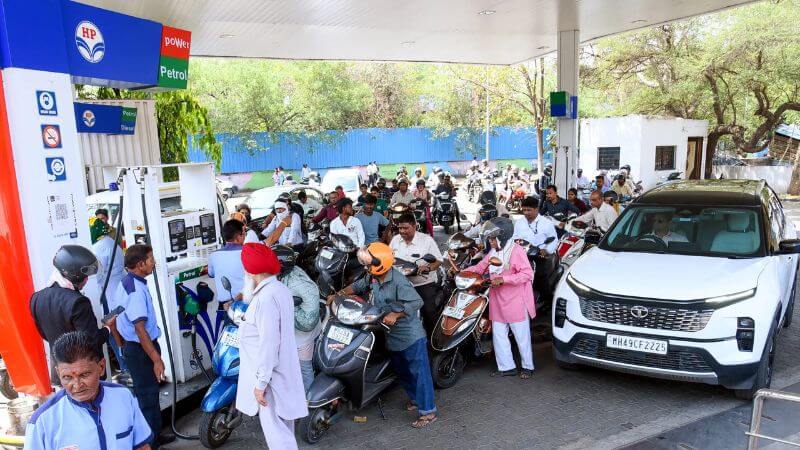
Despite the chaos at fuel pumps, officials have clarified that there is no actual shortage of fuel. In fact, depots across the region have sufficient stock.
For instance, Nayara Energy had 2,900 KL petrol and 9,800 KL diesel available on Wednesday, with additional supplies already on the way. BPCL reported 3,500 KL petrol and 10,500 KL diesel in stock. IOCL depots in Chandrapur and Akola also had substantial reserves, including over 10 days’ stock at some locations.
This clearly shows that the issue is not about supply, but about distribution and demand imbalance.
Additional Factors Behind The Situation
Sources also pointed out that some companies have introduced new conditions for dealers. In certain cases, petrol pumps are being asked to lift lubricants along with fuel supplies. Additionally, quotas have been restricted based on last year’s offtake.
There is also speculation that slowing down fuel sales during periods of high crude prices helps companies manage their losses. While this is not officially confirmed, it adds another layer to the ongoing situation.
Could Better Infrastructure Have Helped?
Earlier, IOCL had a depot at Khapri in Nagpur. However, it was shut down after the railway took over the land. Sources believe that if this depot was still operational, it could have eased some of the pressure during the current surge.
With fewer active supply points, the burden on existing depots has increased, making the system more vulnerable during sudden demand spikes.
Conclusion
The situation in Nagpur and Vidarbha is a classic example of how panic buying can disrupt even a well-stocked supply system. There is no shortage of fuel, yet pumps ran dry because demand skyrocketed within a short span of time.
The combination of fear, global uncertainty, and operational bottlenecks created the perfect storm. Going forward, better coordination between oil companies, dealers, and authorities will be crucial to prevent such situations.
For now, the key takeaway is simple: panic buying only worsens the situation. The system has enough fuel, but it needs time and balance to function smoothly.
Follow Us: Facebook | Instagram | X |
Youtube | Pinterest | Google News |
Entertales is on YouTube; click here to subscribe for the latest videos and updates.