

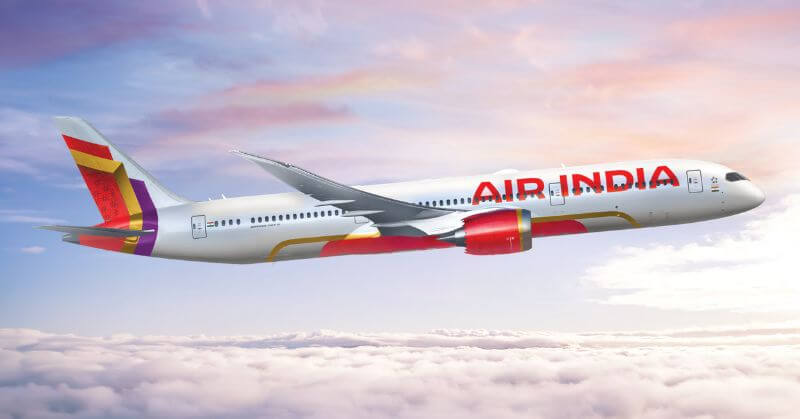
Air travel is usually predictable. You board the flight, settle in for a long journey, and expect to land at your destination after several hours. But sometimes, things don’t go as planned. And when they don’t, the experience can turn into something truly unexpected.
That’s exactly what happened on a recent Air India flight from Delhi to Vancouver. What was supposed to be a routine long-haul journey turned into a rare “flight to nowhere” after the aircraft had to return mid-air due to a regulatory issue. The incident has sparked discussions about airline operations, aviation approvals, and how such situations can occur even on major international routes.
An Air India Flight To Vancouver Abruptly Return To Delhi
After their flight to Vancouver became a “flight to nowhere” passengers on Air India flight AI185 had an unexpected journey when the airline realized it lacked the necessary regulatory approval to operate that particular aircraft into Canada. The plane had to return to Delhi about eight hours after takeoff.
Although it was inconvenient the unique mid-air decision guaranteed adherence to international aviation regulations.
What Occurred During The Flight?
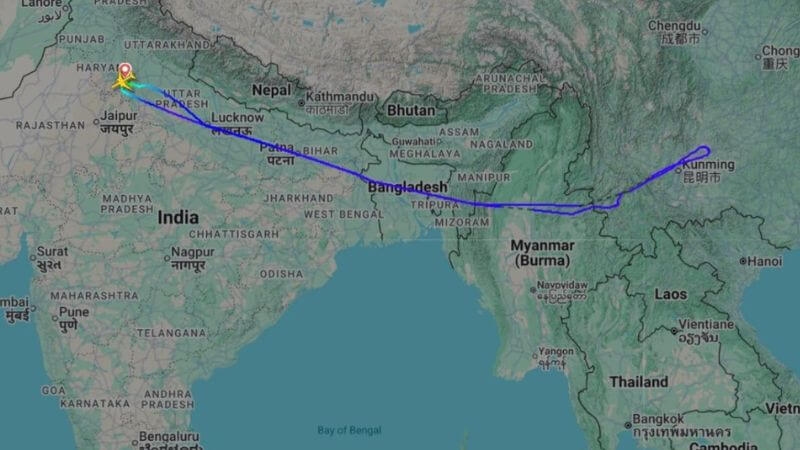
At 11:34 AM Flight AI185 took off from Delhi and initially traveled in the direction of Canada. However airline authorities identified a crucial problem almost four hours into the trip when flying in airspace close to Kunming China. The aircraft allocated to the route was not authorized to enter Canadian airspace. Consequently the plane was told to head back to Delhi right away.
Which Aircraft Was Used, And Why Was It An Issue?
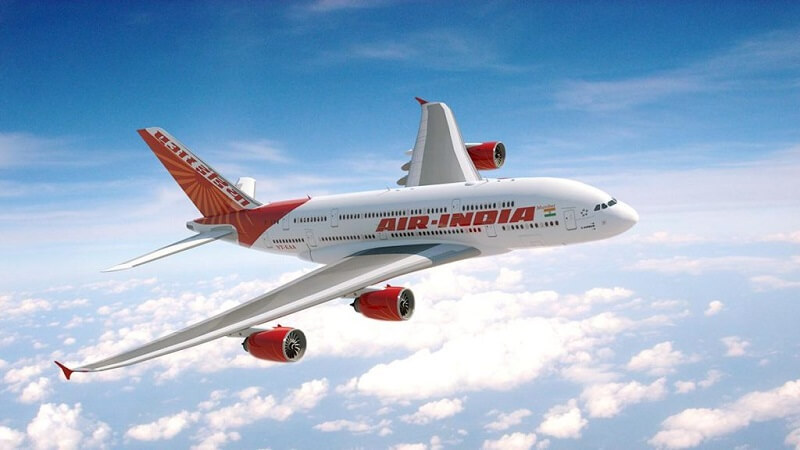
The flight was being operated by a Boeing 777-200LR. But as of right now Air India is only allowed to fly its fleet of Boeing 777-300ERs to Canada.
Permissions for international aircraft can differ greatly. Certain nations endorse specific carriers specific aircraft models or even the tail numbers of individual aircraft.
In this instance the aircraft type did not comply with the Canada route’s regulatory approval standards.
Duration Of The Aircraft’s Flight
The plane had been in the air for seven hours and fifty-four minutes by the time it returned to Delhi nearly finishing a long-haul flight without arriving at its goal. The plane landed successfully in spite of the unforeseen circumstance and all passengers and crew members disembarked without any problems.
Air India Reaction
“Operational issue” is how Air India characterized the event. According to the airline’s official statement passenger safety and regulatory compliance were given top priority and the return was executed in accordance with routine operating protocols.
Additionally the airline expressed regret to customers for any trouble the sudden turnaround had caused.
Following their return to Delhi Air India organized support for the impacted passengers such as:
- Ground support services for hotel accommodations
- Making reservations
Later the airline confirmed that travelers were supposed to take a different flight the next morning to complete their trip to Vancouver.
Financial Impact Of The Incident
Indeed airlines may incur significant costs as a result of such occurrences. Depending on operating conditions a Boeing 777 aircraft normally uses 8 to 9 tons of fuel per hour. Fuel crew time airport logistics and passenger support services were probably among the major operational costs associated with the aircraft’s unplanned return given that it flew for almost eight hours.
What Aspect Of Airline Operations Is Highlighted By This Incident?
The complexity of international aviation clearances is demonstrated by this uncommon mid-air turnaround. Significant difficulties may result from even a little discrepancy in aircraft authorization.
Even while it was uncomfortable for travelers the airline was able to maintain safety standards and comply with international aviation laws thanks to the choice to return.
Ultimately the event serves as a reminder that every long-haul flight is supported by a highly coordinated system of international approvals technical checks and permissions that must all be in perfect alignment prior to takeoff.
Conclusion
The incident may have been frustrating for passengers, but it highlights an important aspect of global aviation — strict compliance with international regulations. Even a small oversight related to aircraft approvals can lead to major operational disruptions.
While the situation resulted in delays and inconvenience, the decision to turn back ensured safety and regulatory adherence. In the bigger picture, this rare “flight to nowhere” serves as a reminder of how complex and tightly regulated international air travel truly is, where every detail matters before a flight even takes off.
Follow Us: Facebook | Instagram | X |
Youtube | Pinterest | Google News |
Entertales is on YouTube; click here to subscribe for the latest videos and updates.