
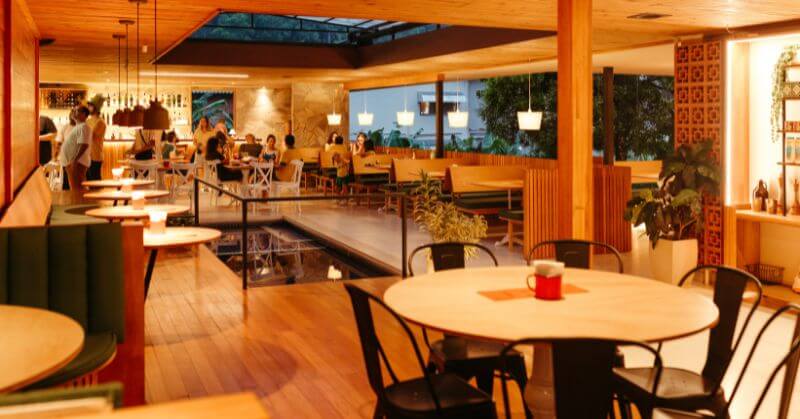
Dining out just became simpler. And fairer. No more awkward moments at the billing counter. No more confusion over that extra 10% quietly added at the bottom of your receipt.
In a major relief to consumers, the government has made it crystal clear — restaurants cannot force customers to pay a service charge. It is illegal. It is an unfair trade practice. And diners have every right to refuse it.
This decision comes after a wave of complaints from consumers across India. Many felt pressured to pay service charges even when they did not want to. Now, the law is firmly on the side of diners.
Let’s break down what this means for you.
Court Backs Consumer Rights On Service Charges
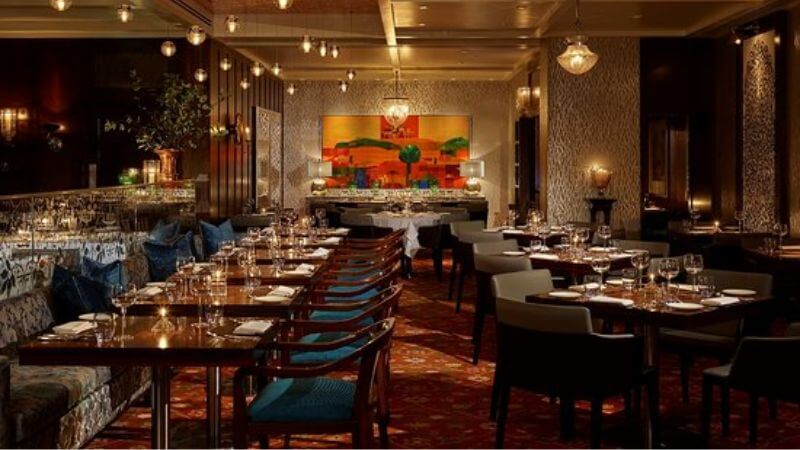
The Delhi High Court has upheld the guidelines issued by the Central Consumer Protection Authority (CCPA). The court ruled that the mandatory collection of service charge by restaurants is contrary to law.
It further observed that all restaurant establishments must strictly comply with CCPA rules. The court confirmed that the authority is fully empowered to enforce penalties for violations under the Consumer Protection Act, 2019.
In simple words, restaurants cannot bypass these guidelines. Non-compliance will invite action.
What The CCPA Guidelines Clearly Say
The guidelines, officially titled Guidelines to Prevent Unfair Trade Practices and Protection of Consumer Interest with Regard to Levy of Service Charge in Hotels and Restaurants, were issued on July 4, 2022.
They leave no room for confusion.
Here’s what they state clearly:
- Restaurants cannot add service charge automatically or by default to the bill
- Service charge cannot be collected under any other name
- Diners must not be forced to pay it and should be informed that it is voluntary and optional
- Restaurants cannot deny entry or service if a customer refuses to pay
- Service charge must not be added to the bill and taxed under GST
According to the Ministry of Consumer Affairs, Food & Public Distribution, levying a compulsory service charge violates consumer laws and attracts penalties. This means even subtle pressure tactics are not allowed. The choice lies entirely with the customer.
Restaurants Penalised Across India
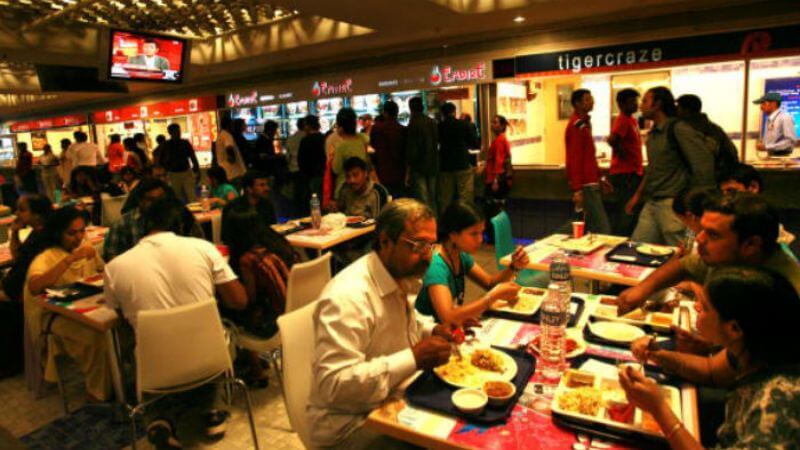
The CCPA did not stop at issuing guidelines. It took action.
After receiving multiple complaints through the National Consumer Helpline, the authority took suo motu cognisance of the issue.
Penalties were imposed on 27 restaurants across India for unfair trade practices under Section 2(47) of the Consumer Protection Act, 2019.
Well-known outlets such as China Gate, Bora Bora, and Cafe Blue Bottle were fined amounts ranging between Rs 30,000 and Rs 50,000 for adding a mandatory 10% service charge to customer bills.
Authorities also directed these establishments to refund the full amount collected, immediately stop the practice, and remove default service charge options from their billing systems.
The message is clear. Enforcement is real.
What This Means For Diners And Travellers
Whether you are stepping out for dinner in your city or grabbing a meal while travelling, you can refuse to pay the service charge. You cannot be denied service for doing so.
If a restaurant insists, you have the right to raise a complaint with the National Consumer Helpline. Authorities have confirmed they will continue monitoring violations and taking strict action. This gives consumers confidence. Especially travellers who often hesitate to question unfamiliar billing practices.
Now, the rule is uniform across India. No forced payments. No disguised charges. No fear of embarrassment.
The Bottom Line
For diners, this ruling brings long-awaited clarity. And relief. For restaurants, it is a reminder that transparency is not optional. Dining out should be enjoyable. The focus should be on food, company, and experience — not hidden charges. The law has now drawn a firm line. Service charge is voluntary. Always has been. And now, it is legally protected as a choice. So the next time you look at your restaurant bill, remember — the final call is yours.
Follow Us: Facebook | Instagram | X |
Youtube | Pinterest | Google News |
Entertales is on YouTube; click here to subscribe for the latest videos and updates.