

Look up at the sky the next time a plane flies overhead. You will notice something interesting almost immediately. Nearly every commercial aircraft you see is painted white. From domestic airlines to global long-haul carriers, white dominates the skies. It almost feels like an unwritten rule in aviation.
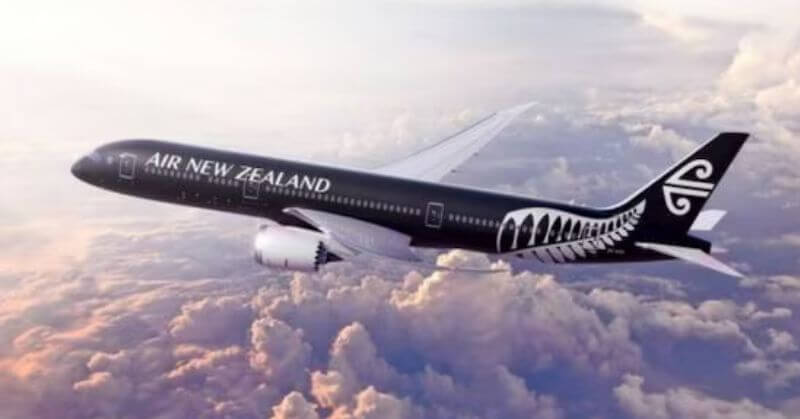
But every rule has an exception. While most airlines prefer white for practical and financial reasons, one airline boldly stands out. Air New Zealand sends sleek black aircraft into the sky, instantly grabbing attention wherever they land. The contrast is striking and intentional.
So why do airlines choose white? Is it about safety, cost, maintenance, or something deeper? And why does Air New Zealand confidently operate black aircraft when the rest of the industry avoids it? The answer lies in a fascinating mix of science, economics, aviation strategy, and national pride. Let’s explore the meaning behind the sky’s hues.
What Makes The Majority Of Commercial Aircraft White?
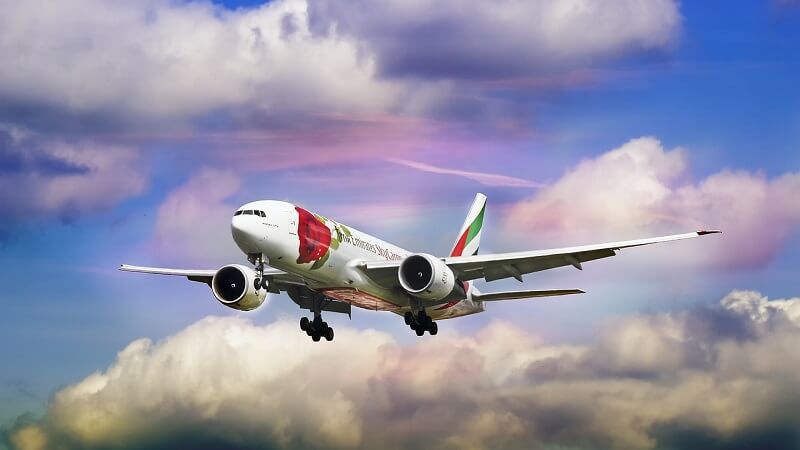
There is more to selecting an aircraft’s color than merely aesthetics; it has an impact on long-term expenses, fuel economy, safety, and maintenance. White is now the industry standard as a result. Airlines favor white for the following reasons:
Are Aircrafts Get Cooled By White Paint?
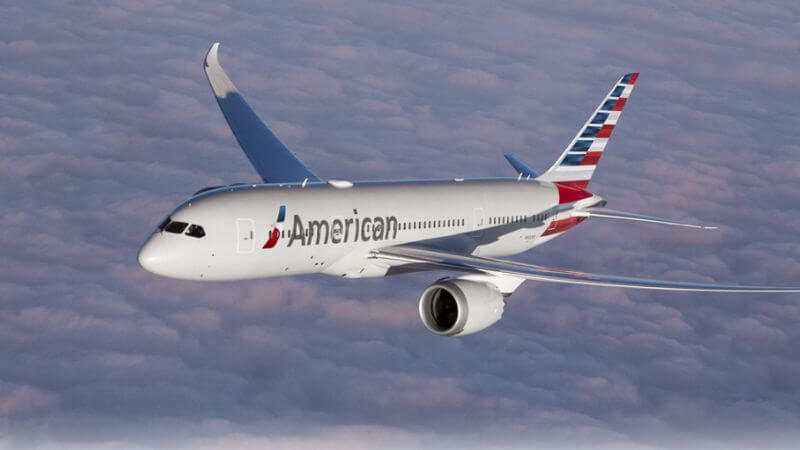
Indeed. White does not absorb sunlight; rather, it reflects it. Dark colors can quickly heat up while airplanes are parked on the runway, particularly in hot areas.
Because black airplanes absorb more heat, cabin temperatures may rise, and air conditioning systems may have to work harder. Fuel consumption on the ground may go up a little as a result, because white planes remain cooler, making operations more predictable and seamless.
Is Black Paint Lighter Than White Paint?
Generally speaking, yes. Even a slight increase in weight is significant in flight. Additional weight can result in increased fuel consumption over thousands of flights. Generally speaking, white paint calls for thinner layers of colors to keep a rich, even finish and stop fading. Black paint frequently requires several coats; that extra weight may eventually raise operating expenses.
Is Damage On White Aircraft Easier To Spot?
Of course. Aircraft are continuously inspected. Engineers look for structural wear, corrosion, cracks, and oil leaks. On a white surface, these problems are more easily recognized. Small flaws may go undetected on darker aircraft, necessitating a closer examination. White speeds up and secures maintenance.
Does High Altitude Reduce White Fading?

Indeed. Aircraft operate at high altitudes with strong UV radiation. Strong sunlight accelerates the fading of dark colors. This implies that in order to preserve their appearance, black planes might require repainting more regularly. White paint lasts longer, requiring fewer repainting cycles and costing less.
Against the sky, white airplanes are a striking sight. This visibility could potentially lower the likelihood of bird strikes by assisting birds in spotting planes earlier. After Air France debuted the “Euro white” livery in 1976, white also gained popularity. White has since become a global standard in commercial aviation.
Given all of these useful benefits, it’s simple to understand why the majority of airlines only use white. Why, therefore, did Air New Zealand make a different decision?
Why Air New Zealand Flies Black Planes?
The trip started in 2007. In order to promote the Rugby World Cup in France that year, Air New Zealand unveiled a unique black-painted Boeing 777 (ZK-OKH), known as the All Blacks. The New Zealand national rugby union team is a famed rugby squad that was honored by the airplane.
The airline eventually made sure that every major fleet type had at least one aircraft with a black-based livery. Black is now more than simply a promotional color; it’s an integral aspect of the airline’s brand.
Air New Zealand Has Biggest Black Plane Aircraft
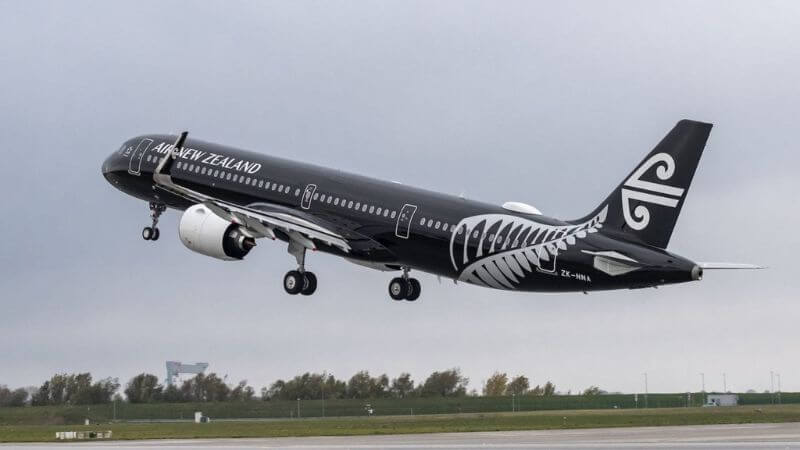
Indeed. The Boeing 777-300ER flown by Air New Zealand is regarded as the biggest black-painted aircraft in the world for commercial use. The airline made history in 2022 by introducing the first all-black Airbus A321neo (ZK-OYB) in the Star Alliance network. This action attracted attention from all over the world and strengthened the airline’s audacious branding strategy.
Is Aircraft Performance Affected By Black Paint?
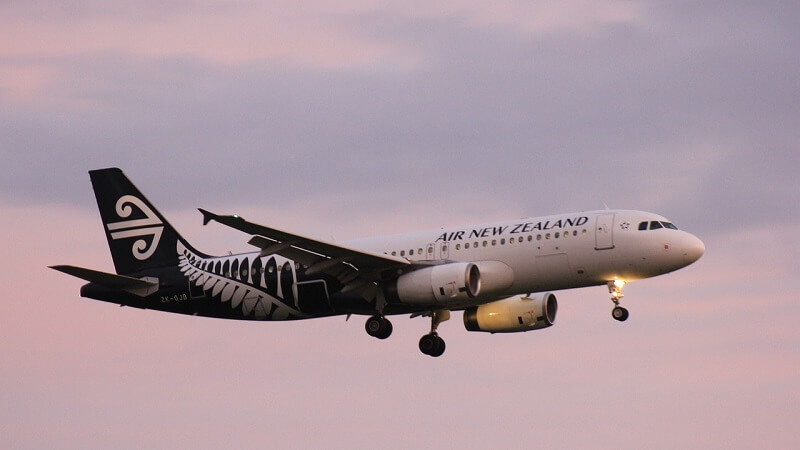
The key question is this. Airlines claim that there is no discernible difference between black and white aircraft in terms of performance or handling. Both color variations of comparable aircraft types are flown by Air New Zealand, allowing for practical comparisons.
Paint’s main function is to protect the aircraft body from environmental damage and corrosion. Operationally speaking, black hasn’t affected the airline’s performance.
Why Is Black Still The Choice For Air New Zealand?
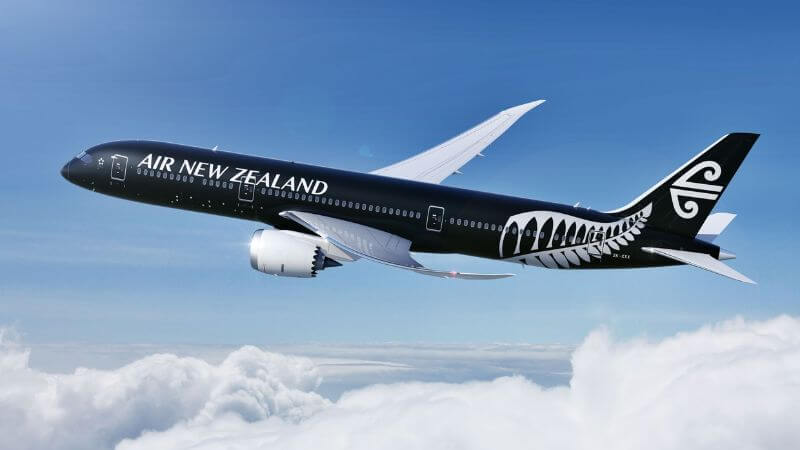
The decision has considerable cultural significance for Air New Zealand. In New Zealand, black is an iconic color. It symbolizes patriotism and is worn on everything from sports uniforms to daily attire. The airline’s black planes serve as flying representations of Kiwi culture.
Making an impression is important in the cutthroat global aviation market. White is useful, but black works well for branding. It establishes an emotional bond and immediate recognition.
For pragmatic reasons, white planes will probably continue to dominate commercial aviation. It’s difficult to overlook the benefits of cost-effectiveness and upkeep.
Air New Zealand, however, has demonstrated that black may succeed with forethought and purpose. Although it may not have been the simplest decision, the airline has benefited from it by establishing a distinctive position in the world of travel. Standing out can sometimes make all the difference in a snowy sky.
Conclusion
At first glance, the color of an aircraft might seem like a simple design decision. But in reality, it reflects deeper aviation logic. Airlines must balance safety, efficiency, maintenance costs, and operational practicality. White aircraft help reduce heat absorption, simplify inspections, last longer under harsh sunlight, and lower maintenance expenses.
Yet Air New Zealand proves that sometimes breaking the norm can be powerful. By embracing bold black aircraft, the airline has built one of the most recognizable identities in global aviation. It is more than just paint. It represents culture, pride, and a fearless branding strategy.
So the next time you see a white airplane crossing the sky, you will know the science behind that choice. And if a sleek black aircraft appears above the clouds, chances are it belongs to Air New Zealand — the airline that chose to stand out in a sky full of white.
Follow Us: Facebook | Instagram | X |
Youtube | Pinterest | Google News |
Entertales is on YouTube; click here to subscribe for the latest videos and updates.