
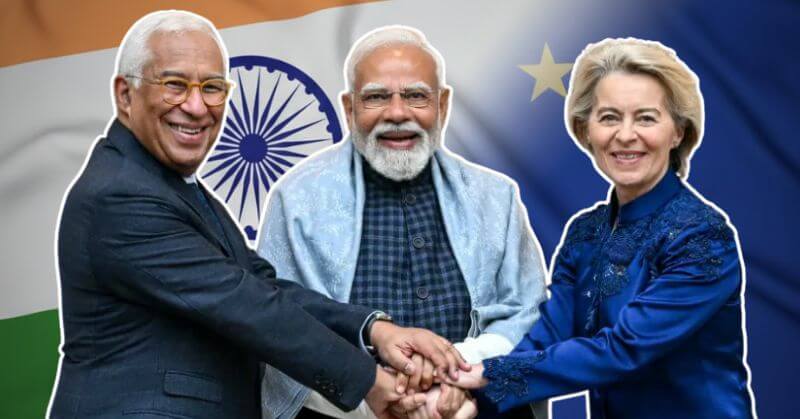
India has just signed what many are calling the “Mother of All Deals” with the European Union. And for once, trade jargon actually means something for everyday consumers and businesses. According to a fresh analysis by Franklin Templeton, this free trade agreement could make a long list of imported products noticeably cheaper once it kicks in.
The India–EU Free Trade Agreement is expected to be implemented in early 2027, after legal vetting and ratification. While the timeline is still some distance away, Franklin Templeton has already broken down which sectors will feel the impact first. From machinery and medical devices to premium European cars and wine, the cost cuts could be significant.
So what exactly gets cheaper first? And who benefits the most? Here’s a closer look.
What Is The India–EU Free Trade Agreement?
India’s newly concluded free trade agreement with the European Union aims to sharply reduce import duties on a wide range of goods. According to Franklin Templeton’s note, this deal is not just about trade volumes. It is about lowering costs, boosting competitiveness, and integrating India more deeply into global supply chains.
Once operational, several sectors will see duties slashed or eliminated entirely, creating ripple effects across manufacturing, healthcare, aviation, and consumer markets.
Machinery And Industrial Imports
One of the biggest winners is Indian manufacturing.
Franklin Templeton said tariffs on machinery and electrical equipment imported from the EU will be removed on most product lines. Before the agreement, these tariffs went as high as 44%.
“0% on most lines lowers India’s capex/import bill on EU machinery and supports industrial modernisation,” Franklin Templeton said.
This matters because machinery imports directly affect factory setup costs. Lower duties mean cheaper equipment, faster expansion, and better technology adoption across industries.
Healthcare, Pharma, And Medical Equipment
Healthcare could see an early and visible impact.
According to the analysis, import duties on most pharmaceutical lines will go to zero. Around 90% of medical devices will also attract zero duty. This includes optical, medical, and surgical equipment.
“Zero duties on 90% of devices and near-zero duties on pharma lines lower input and equipment costs for healthcare providers and med-tech manufacturers,” the firm said.
For hospitals and diagnostic centres, this could mean lower equipment costs. Over time, it may also ease pressure on treatment pricing.
Aircraft And Space-Related Parts
Another sector quietly set to benefit is aviation and space manufacturing.
Franklin Templeton said the agreement removes duties on aircraft and spacecraft parts, which earlier attracted tariffs of up to 11%.
“Reduces costs for aviation Maintenance, Repair, and Overhaul and space manufacturing ecosystems,” Franklin Templeton said.
This is especially relevant as India expands its aviation footprint and space ambitions.
Premium Cars From Europe
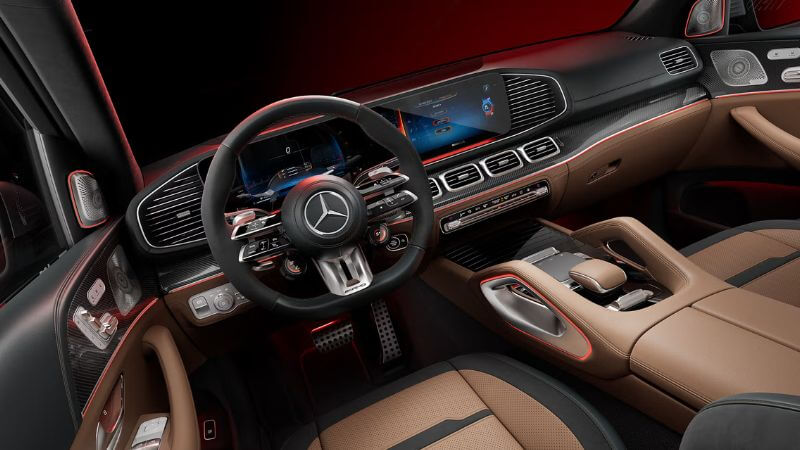
Luxury car buyers are also in focus.
The report said import duties on completely built premium cars from the EU will fall sharply, but within a fixed quota. Earlier duties went as high as 110%. Under the FTA, tariffs will drop to 10% for up to 250,000 units per year.
“Makes premium EU cars more accessible while managing import volumes,” Franklin Templeton said.
This ensures demand is met without flooding the market.
Wine, Beer, And Food Imports
Food and beverage imports will see some of the most dramatic duty cuts.
Wine duties will fall from 150% to 20–30%. Beer duties will be reduced to 50%. Tariffs on processed foods and olive oil will be eliminated over time.
“Expands consumer choice; gradual reduction in retail prices as duties phase out,” the firm said.
These changes will be phased in, meaning prices won’t crash overnight, but directionally, costs should come down.
Things Likely To Get Cheaper After India–EU FTA
| Category | Product / Sector | Earlier Import Duty | Duty After India–EU FTA | Impact |
|---|---|---|---|---|
| Industrial Goods | Machinery & Electrical Equipment | Up to 44% | 0% on most lines | Lower capex costs, boosts manufacturing |
| Healthcare | Pharmaceutical Imports | Varied Duties | Near-zero duties | Cheaper medicines & inputs |
| Medical Devices | Optical, Medical & Surgical Equipment | High Import Duties | 0% on ~90% devices | Reduced healthcare equipment costs |
| Aviation & Space | Aircraft & Spacecraft Parts | Up to 11% | 0% | Lower costs for MRO & space manufacturing |
| Automobiles | Premium EU Cars (CBUs) | Up to 110% | 10% (within quota) | Premium cars become more affordable |
| Food & Beverages | Wine | 150% | 20%–30% (phased) | Lower retail prices over time |
| Food & Beverages | Beer | High Import Duty | 50% | Expanded consumer choice |
| Food & Cooking | Olive Oil & Processed Foods | Existing Tariffs | 0% | Cheaper imported food products |
Conclusion
The India–EU free trade agreement is shaping up to be more than a diplomatic headline. Franklin Templeton’s analysis shows that once implemented, this deal could meaningfully reduce costs across capital goods, healthcare equipment, aviation, and select consumer items.
“Once operational, the agreement is expected to significantly strengthen India’s role in global value chains and deepen economic integration with Europe,” Franklin Templeton added.
For Indian manufacturers, it means lower input costs. For consumers, better access to global products. And for the economy, a step closer to being plugged into the world’s most advanced supply chains. The real impact will unfold post-2027, but the direction is already clear.
Follow Us: Facebook | Instagram | X |
Youtube | Pinterest | Google News |
Entertales is on YouTube; click here to subscribe for the latest videos and updates.