
Confusion erupted on the internet when India’s largest telecom companies, BSNL, Jio, and Itel suddenly tweeted the word “Sorry” on social media. Was it a mistake, an apology, or something more significant? After they followed up with #SorryNotSorry, which sparked curiosity and memes worldwide, the mystery grew within hours. Everyone is now wondering, “What exactly are these brands not sorry for?” after what began as a one-word message became a viral marketing storm.
Leading tech and telecom businesses, including Jio, BSNL, Itel, and others, are shockingly publishing “official apologies” on their social media accounts (Facebook, Instagram, and X). These apologies are not genuine; rather, they are a part of the #SorryNotSorry viral marketing trend, in which businesses employ amusing apologies in posts to advertise their deals, recharge plans, and other upcoming products. Here are the implications of this trend and the reasons why companies are adopting it.
#SorryNotSorry Trend: When Apologies Turn Into Smart Marketing Moves
You’ve certainly noticed an increase in companies posting what appear to be sincere apology notes on social media lately, but don’t be fooled — these are not at all sincere apologies.
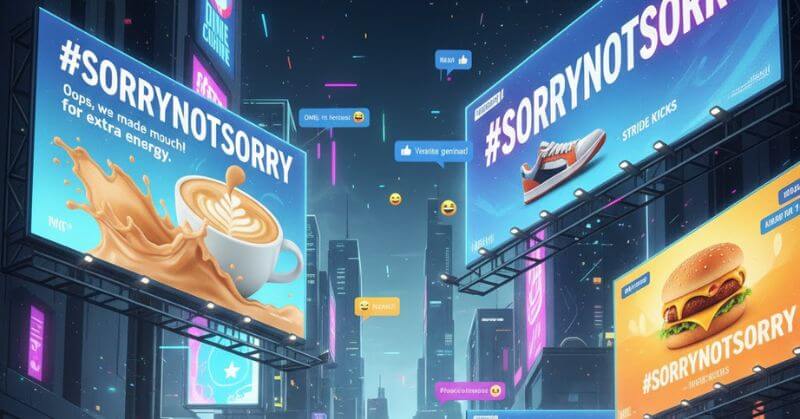
The #SorryNotSorry fad, in which businesses pretend to apologize while sneakily promoting something amazing instead, is all the rage. These posts, which may be about a new product, a special promotion, or an innovative strategy, begin as official PR statements but swiftly change course with clever marketing and humor. Brands are trending, and viewers are captivated by the ideal balance of humor and drama.
How Brands Turned Fake Apologies Into Viral Feel-Good Ads
Sorry, but not sorry. pic.twitter.com/mwZNSrnbNP
— Reliance Jio (@reliancejio) November 7, 2025
On social media sites like X (Twitter), Instagram, and Facebook, brands are embracing the #SorryNotSorry trend in the most inventive ways, transforming what appear to be heartfelt apology letters into smart advertisements that make people pause and smile.
Blame us for your extra savings this month.#SorryNotSorry#BSNL #ConnectingBharat #DigitalIndia #Affordable #ApologyStatement #Trending #switchtobsnl@JM_Scindia @PemmasaniOnX @neerajmittalias @DoT_India pic.twitter.com/lJPXLCmkiS
— BSNL India (@BSNLCorporate) November 7, 2025
Consider Reliance Jio. They released a corporate-style “we’re sorry” message, but it turned out to be a tease for new offers such as Jio Youth Offers and a one-year free Google Gemini Pro subscription. What began as an apology became a popular advertisement.
As this was going on, BSNL joined in by “apologizing” to consumers who were having trouble paying their high mobile bills. What was their message? You are covered by BSNL’s inexpensive recharge plans, so don’t worry. It’s a clever, hilarious twist that transforms advertisements into entertainment and empathy into participation.
Why Are Companies Apologizing? The Actual Approach
View this post on Instagram
The #SorryNotSorry trend is more about attracting attention than it is about feeling guilty, and it’s a clever, well-thought-out marketing strategy meant to cut through social media’s clutter.
It’s An Effective And Quick attention-getter: When a post begins with “Sorry,” it conveys a sense of seriousness and prompts readers to pause scrolling to learn what transpired.
Creative Product Promotion: Companies employ humor and surprise to promote everything from recharge plans and smartphone features to online services, discounts, and new launches, rather than boring, repetitive advertisements.
Going Viral On Social Media: The hashtag #SorryNotSorry is currently being used by numerous brands, which increases the trend’s visibility and momentum.
What Makes Such Trends Effective?
View this post on Instagram
People adore lighthearted, meme-style marketing that deviates from the typical advertising routine, which is why trends like #SorryNotSorry take off right away. A brand doesn’t simply sell when it participates in something lighthearted or unexpected; it also provides entertainment.
Because they provoke interest and discussion, these posts go viral quickly. Users begin sharing the posts, making jokes, and tagging others, which gives marketers a ton of free exposure.
The so-called “Sorry” messages from Jio, BSNL, Itel, and other companies are smart, eye-catching attempts to highlight new features and deals rather than genuine apologies.
Ultimately, the #SorryNotSorry movement exemplifies how Indian firms are becoming experts at combining comedy, creativity, and marketing to connect with millions of people online and make them smile.
How A One-Word ‘Sorry’ Sparked India’s Most Viral Marketing Trend
One of the year’s most talked-about marketing moments began as a one-word riddle. A little comedy and inventiveness can make even a straightforward apology go viral, as seen by the #SorryNotSorry movement. Brands like Jio, BSNL, and Itel have demonstrated that marketing today is about engaging and entertaining rather than just selling by fusing curiosity, emotion, and clever messaging. These clever “apologies” serve as a reminder that sometimes being a little “not sorry” is precisely what it takes to capture everyone’s attention in a cluttered digital environment.
Follow Us: Facebook | Instagram | X |
Youtube | Pinterest | Google News |
Entertales is on YouTube; click here to subscribe for the latest videos and updates.