

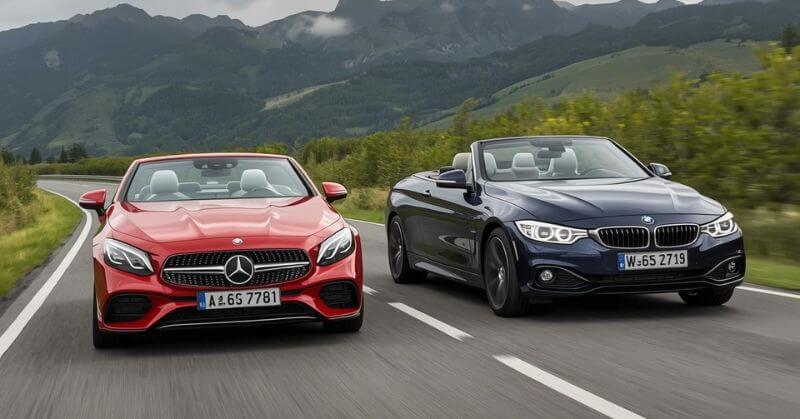
India’s luxury car market is now standing at the edge of a massive transformation. What’s being dubbed the “Mother of All Deals” is creating serious buzz across the automobile industry. With the new India-EU free trade agreement, owning premium German cars like BMW and Mercedes – Benz finally feels within reach for many Indian buyers. On Tuesday, January 27, 2026, during the India-EU summit, the deal has formally revealed. With policy shifts, global negotiations, and affordability coming into focus, this could be a defining moment for luxury automobiles in India.
Import Duty Cut On European Vehicles
Today is a day that will be remembered forever, marked indelibly in our shared history.
European Council President António Costa and European Commission President Ursula von der Leyen and I are delighted to announce the conclusion of the historic India-EU Free Trade Agreement.… pic.twitter.com/yaSlPm2b2L
— Narendra Modi (@narendramodi) January 27, 2026
In a post-signing statement on X, the PM said two of the world’s biggest democratic trading blocs – with trade valued at US$ 213 billion – had “sealed the biggest FTA in our history”. The PM said, “We have taken a lot of decisions that will help people… the India-EU trade deal is a blueprint for mutual growth.”
“Today, India has concluded the largest Free Trade Agreement in its history. Today is January 27, and it is a happy coincidence that, on this day, India is signing this FTA with 27 countries of the European Union. This is not just a trade agreement… it is a new blueprint for shared prosperity,” the PM said.
The Indian government is getting ready to drastically lower import taxes on European automobiles, which lower the cost of luxury cars for Indian consumers. The current import tax of up to 110% is all set to be reduced to about 40%. The much-anticipated Free Trade Agreement (FTA) between India and the European Union includes this suggested lowering.
Relief For The Premium Automobile Market
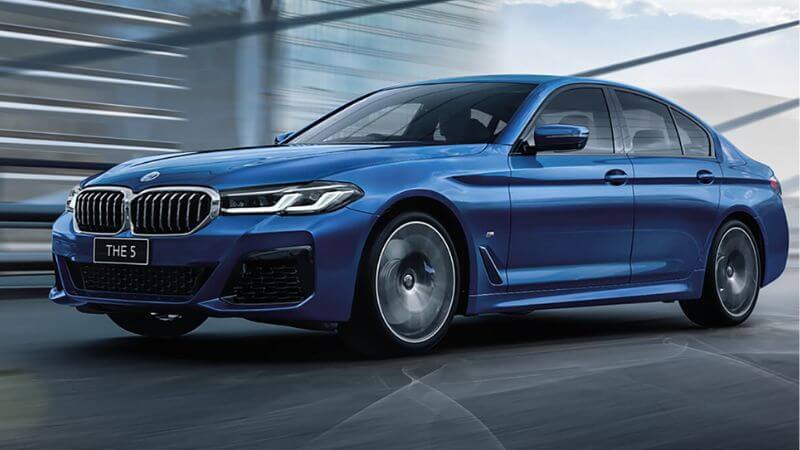
According to sources, the Modi administration has decided to immediately reduce taxes on some cars that cost more than 15,000 euros (about ₹16.3 lakh). For European automakers hoping to increase their presence in India, this move is viewed as a significant help.
Mercedes-Benz, BMW And Volkswagen Will Gain
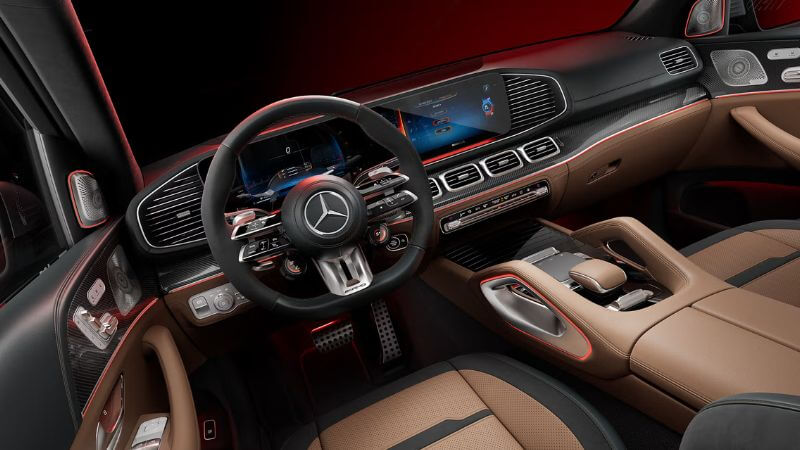
India is anticipated to lower import taxes by up to 40% under the FTA on about 200,000 gasoline and diesel vehicles annually. Also, currently, levies on imported automobiles range from 70% to 110%.
These taxes may eventually drop to as low as 10%, which may greatly increase Indian consumers’ access to brands like Mercedes-Benz, BMW, and Volkswagen.
Initially, Electric Vehicles Were Excluded
For the first five years, the tariff decrease will not apply to electric vehicles. The goal of this ruling is to safeguard domestic EV producers like Mahindra & Mahindra and Tata Motors. Officials do, however, suggest that EVs might eventually be eligible for tariff reductions.
Limited Market Share For Automakers In The EU
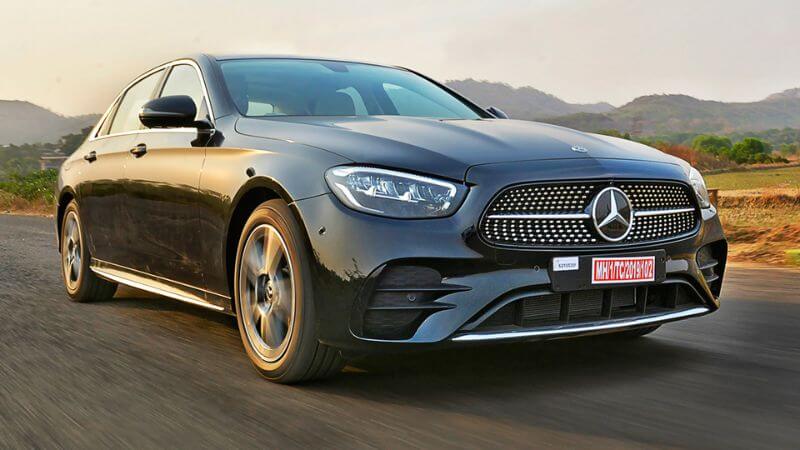
Despite being present all over the world, European automakers currently account for less than 4% of India’s yearly automobile sales, which total about 4.4 million units. According to industry experts, these companies may be able to compete more successfully in the price-sensitive Indian market with the anticipated tariff cuts.
This possible change in policy could be a game-changer for Indian consumers of luxury and high-end vehicles, bringing international brands closer to popular affordability.
Conclusion
If implemented as planned, this policy shift could redefine how luxury cars are perceived and purchased in India. Lower import duties would not only boost European automakers but also give Indian consumers long-awaited access to premium brands at more realistic prices. While challenges remain, the proposed FTA signals a future where aspiration and affordability may finally meet on Indian roads.
Follow Us: Facebook | Instagram | X |
Youtube | Pinterest | Google News |
Entertales is on YouTube; click here to subscribe for the latest videos and updates.