

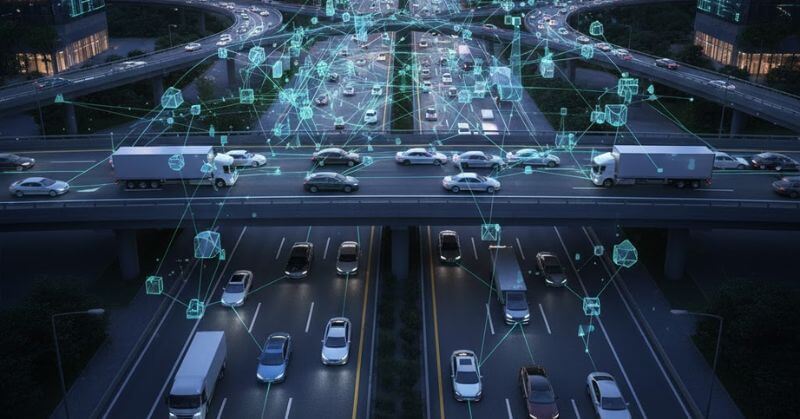
Imagine driving on Indian roads where your car knows what’s about to happen even before you react. A sudden brake ahead. A vehicle stalled on a blind curve. Thick fog where visibility drops to near zero. Now imagine cars warning each other in real time, quietly preventing accidents before they happen. This isn’t science fiction anymore. India is preparing to enter a new era of intelligent road safety with Vehicle-to-Vehicle (V2V) technology, a move that could completely redefine how we drive.
By 2026, India Plans To Implement Vehicle-To-Vehicle (V2V) Technology
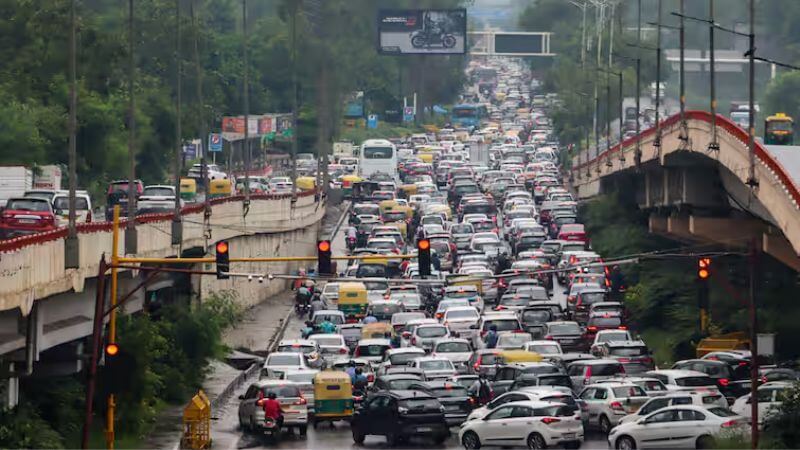
With the anticipated implementation of Vehicle-to-Vehicle (V2V) communication technology by the end of 2026, India is preparing for a significant improvement in road safety. Vehicles will be able to speak with one another directly thanks to the new system, eliminating the need for internet or cell networks.
The Ministry of Road Transport and Highways is spearheading the project, which aims to drastically lower traffic accidents, particularly those brought on by rapid braking, parked cars, and poor visibility.
Following discussions with State Road Transport Ministers at the Annual Meeting, Union Road Transport and Highways Minister Nitin Gadkari confirmed the development, calling it a critical step towards safer Indian roads.
Vehicle-To-Vehicle (V2V) Technology: What Is It?
Vehicles can communicate with each other in real time thanks to V2V technology. Vehicles such as cars and buses will constantly transmit and receive signals regarding their position, movement, and speed.
In order to help prevent collisions, the system will immediately notify the driver if another car approaches dangerously from the front, rear, or sides.
Will Road Safety Be Improved By This Technology?
The government claims that V2V technology will be particularly useful in:
- Avoiding collisions with parked cars
- Decreasing rear-end collisions in situations where traffic is moving quickly
- Preventing multi-vehicle collisions in heavy fog, a frequent wintertime risk in India
Even in situations when sight is almost nonexistent, cars will alert one another, providing drivers with vital reaction time.
Who Made The V2V Rollout Announcement?
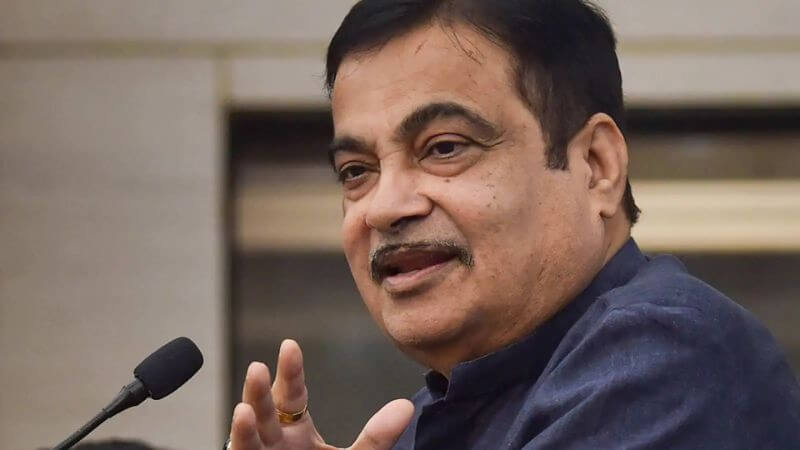
Details of the scheme were disclosed by Union Minister Nitin Gadkari, who said that it was discussed with state transport ministers and will soon be put into action.
He also emphasized that a number of fatal incidents have been caused by inadequate vehicle design, especially in buses. He highlighted the critical need for safety measures by citing at least six significant bus incidents that resulted in 135 fatalities.
What Safety Features Will Buses Get?
The government intends to improve bus safety regulations in addition to V2V technology. Current buses will be equipped with:
- Extinguishers for fire
- Systems for detecting driver sleepiness
- Passengers’ emergency hammers
In order to guarantee safer vehicle design, the minister also emphasized the significance of the Bus Body Code.
Which Technology Will Be Employed?
The V2V system will operate via an internal vehicle device that resembles a SIM card. Vehicles will be able to send and receive signals on their own without requiring a cell network, thanks to this technology.
When a car approaches too closely from any direction, drivers will be alerted in real time. These notifications will be particularly useful on highways in foggy weather and with heavy traffic.
Will It Issue A Warning Regarding Parked Vehicles And Distance?
Indeed, the system will:
- Warn drivers if they are too near to another car
- Warn about automobiles that are parked or at the side of the road
- Assist in keeping a safe driving distance
Indeed. 360-degree communication between the front, rear, and both sides of the car will be possible thanks to V2V technology.
How Much Will It Cost?
The project is expected to cost ₹5,000 crore in total. While the method will cost consumers money, the precise cost has not yet been disclosed.
By the end of 2026, the Transport Ministry intends to announce the technology. Phased implementation will begin with new cars. Later on, older cars might be improved.
Is It Compliant With ADAS?
Indeed. Advanced Driver Assistance Systems (ADAS) will collaborate with the V2V system. The new technology will standardize communication between vehicles, even though some high-end cars already use similar functions through sensors.
Why Does India Need To Know This?
Only a few nations use V2V technology at the moment, according to Road Transport Secretary V Umashankar. Its launch in India is seen as a significant turning point for road safety.
The system is expected to save thousands of lives, lessen the severity of accidents, and make Indian roads safer for everyone once it is completely deployed, according to officials.
Conclusion
India’s roads have long been known for their unpredictability. V2V technology promises to change that narrative. By allowing vehicles to warn each other before danger strikes, this system shifts road safety from reaction to prevention.
If implemented effectively, this move could become one of India’s most important transport reforms in decades. Fewer accidents. Faster response times. And roads that are finally smarter than the risks they carry. By 2026, driving in India may never feel the same again.
Follow Us: Facebook | Instagram | X |
Youtube | Pinterest | Google News |
Entertales is on YouTube; click here to subscribe for the latest videos and updates.